
Oman is one of the most diverse travel destinations in the Middle East, offering unique landscapes, traditions, and natural beauty throughout the year. Understanding the Oman seasons calendar helps travelers choose the perfect time to visit the country and enjoy its many seasonal experiences. From the famous Khareef season in Salalah to mountain harvest festivals and traditional cultural events, Oman offers something special in every season.
Unlike many destinations that have only one peak travel period, Oman provides year-round attractions. Visitors can experience lush green mountains in Dhofar during summer, blooming roses in spring, and cultural events such as camel racing during winter.
Contents
Oman Seasons Calendar: Major Seasons and Experiences
The Oman seasons calendar includes both natural climate seasons and traditional agricultural periods that shape life across the country. Each region offers different experiences depending on the time of year.
Khareef Season in Salalah (June – September)
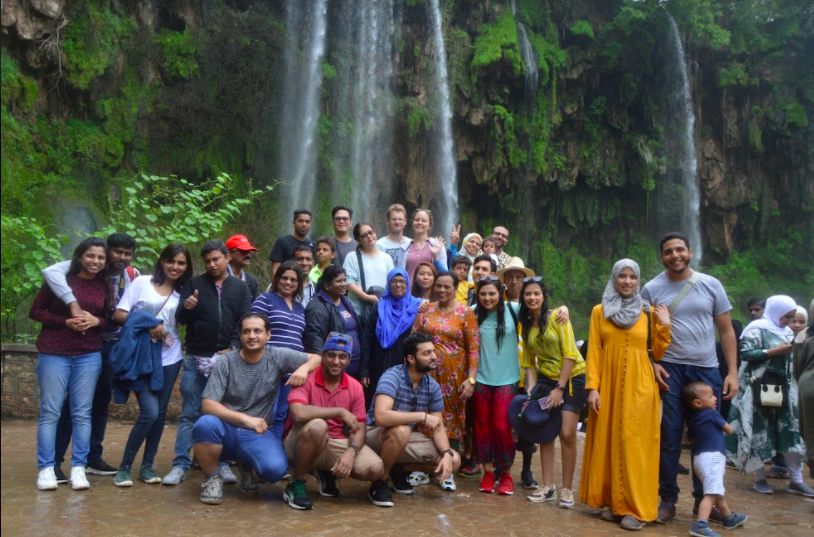
The Khareef season, also known as the monsoon season, occurs every year in the Dhofar region of southern Oman, especially in Salalah. This season usually lasts from June 21 to September 21.
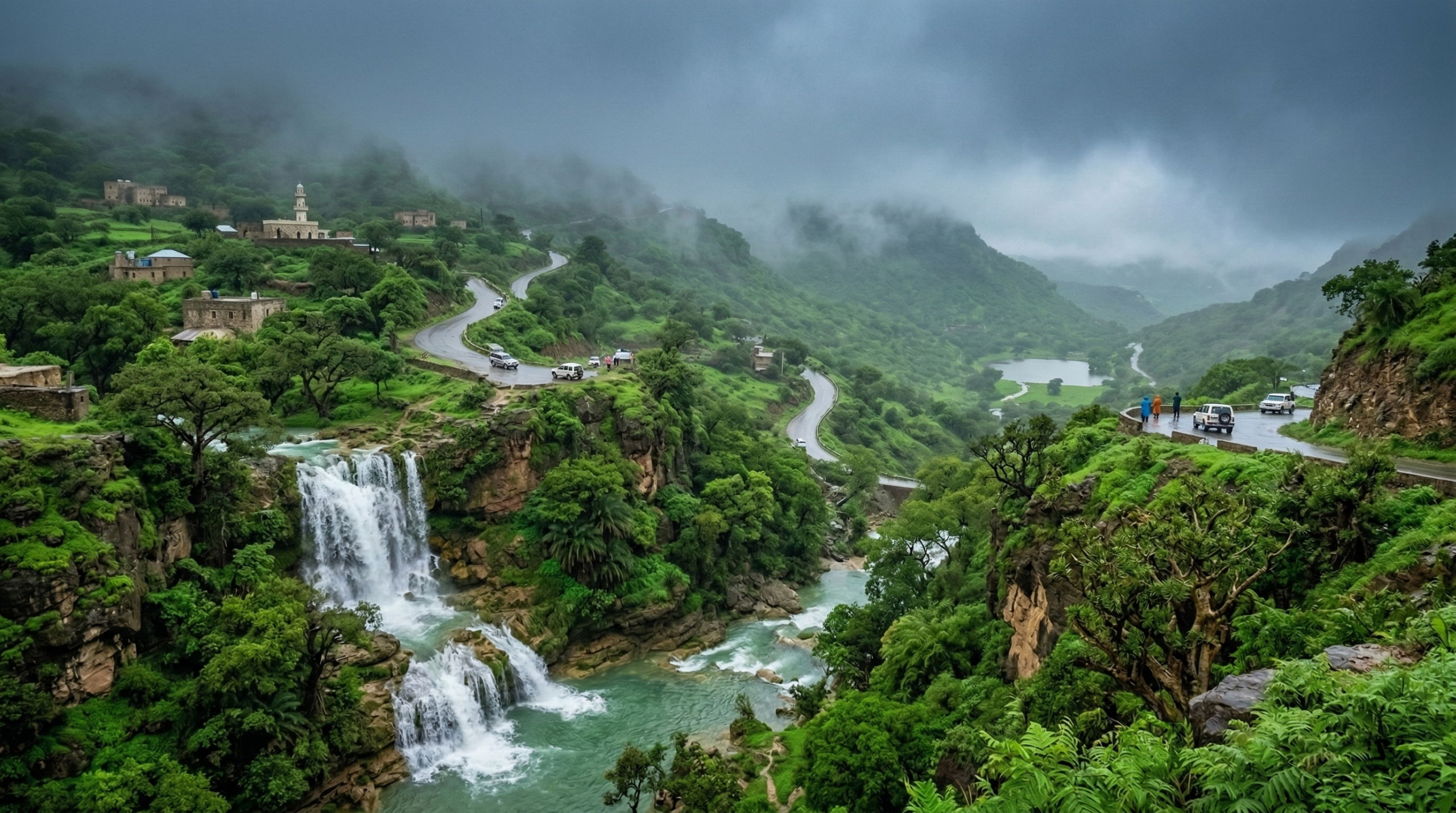
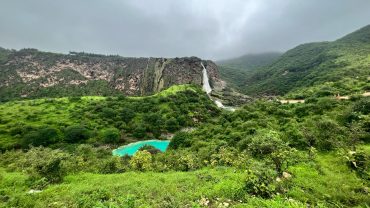
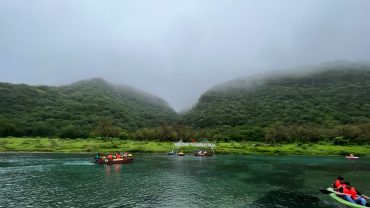
During this time, Salalah transforms into a lush green paradise while much of the Gulf region experiences extreme summer heat. Cool temperatures, light rain, misty mountains, and flowing waterfalls create a completely different climate compared to the rest of the Arabian Peninsula.
Thousands of tourists from across the world visit Salalah during Khareef to enjoy its green landscapes, scenic mountain roads, and refreshing weather.
If you want to experience the beautiful Khareef landscapes, you can explore our Salalah Tours.
Spring Season in Dhofar – “Serbs”
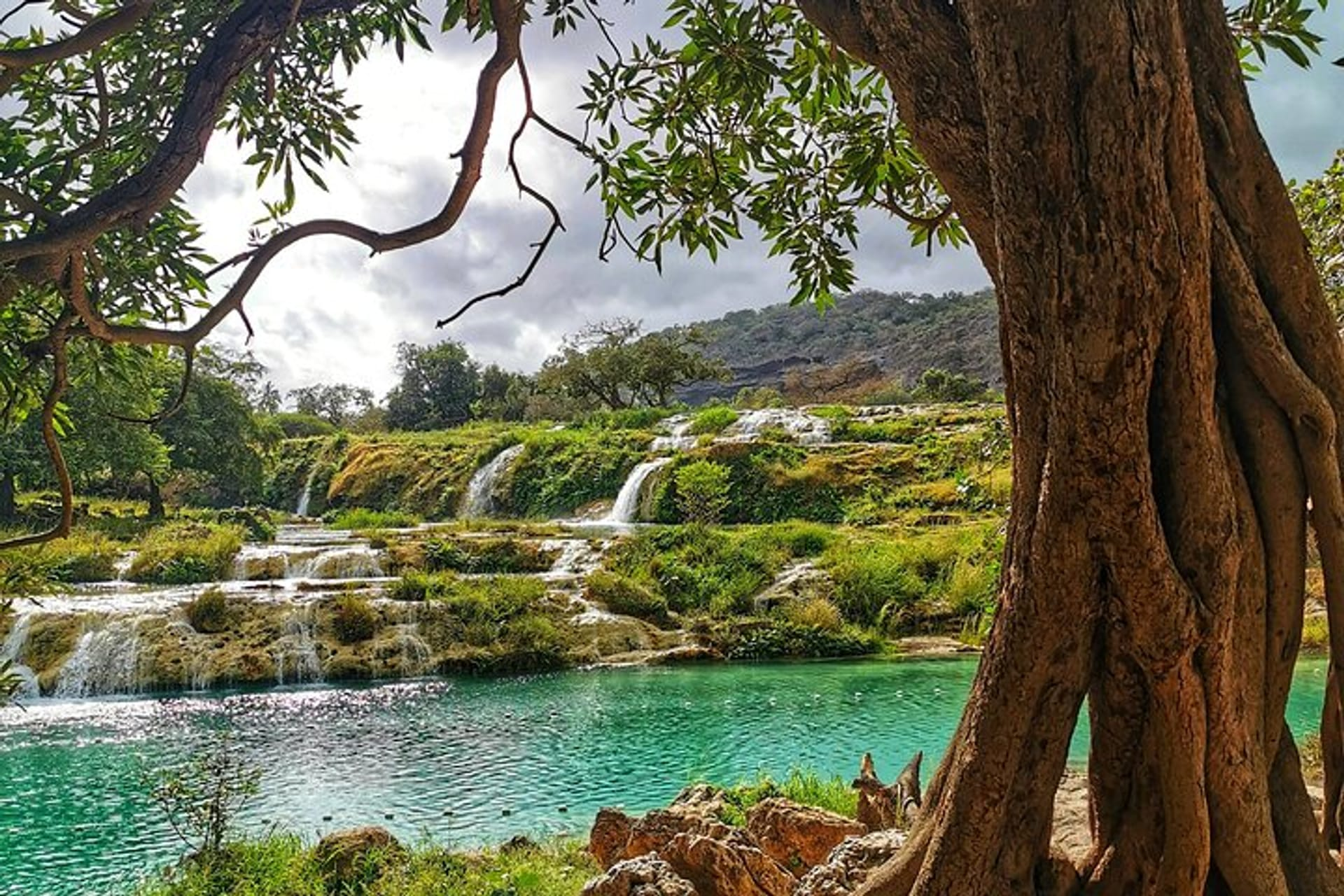
After the Khareef season ends, the Dhofar region enters another beautiful period locally known as Serbs, beginning around September 23.
During this time, the fog disappears and the skies become clear. The landscape remains green while temperatures stay pleasant and comfortable. Water springs continue flowing across the mountains and valleys, making it a wonderful time for sightseeing and outdoor exploration.
This season is especially popular for visitors who prefer mild weather without the heavy fog of Khareef.
Pomegranate Harvest Season – Jabal Al Akhdar
The pomegranate harvest season takes place in the famous mountain region of Jabal Al Akhdar, located in the Al Dakhiliyah Governorate.
The harvest begins in the last third of August and continues until the end of September, reaching its peak in mid-September. The cool mountain climate allows farmers to grow some of the best pomegranates in the region.
During this time, villages in the mountains become lively as farmers harvest ripe fruits from terraced farms. Visitors can see local markets filled with fresh produce and traditional agricultural activities.
Besides pomegranates, Jabal Al Akhdar also produces a wide variety of fruits such as:
- Apricots
- Peaches
- Grapes
- Walnuts
- Almonds
- Figs
- Pears
- Plums
These fruits thrive in the unique mountain climate that resembles the Mediterranean environment.
Rose Water Distillation Season (March – May)
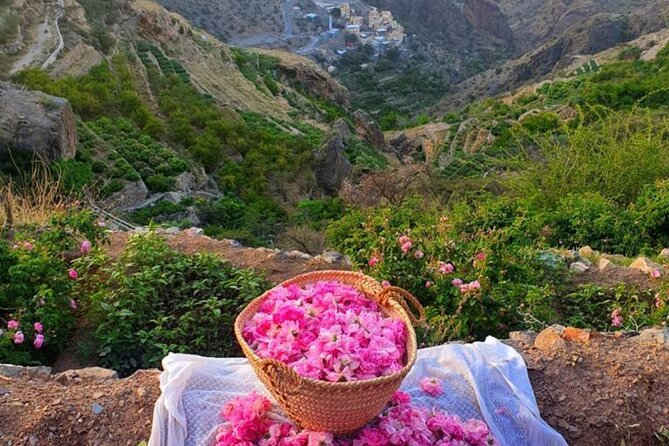
Spring brings another fascinating experience in Oman: the rose water distillation season. This usually takes place between March and May in the mountain villages of Jabal Al Akhdar.
During this season, the famous Damask roses bloom across terraced farms. Farmers harvest these roses early in the morning and transport them to traditional distillation houses.
Using traditional methods passed down through generations, the rose petals are distilled to produce high-quality Omani rose water. This fragrant product is widely used in perfumes, desserts, cosmetics, and traditional Omani cuisine.
Honey Harvest Season in Oman (March – June)
Oman is famous for producing some of the finest honey in the region. The honey harvesting season typically runs from March to June.
Beekeepers collect honey from bees that feed on different types of plants and trees, including:
- Sidr trees
- Samr trees
- Clover flowers
Some varieties, especially wild honey, are rare and highly valued in local markets. Omani honey is known for its purity, rich flavor, and natural production methods.
The mountainous landscapes and diverse ecosystems across Oman contribute to the unique taste and quality of its honey.
Frankincense Harvest Season in Dhofar (April – June)
Dhofar has been famous for centuries as one of the world’s main sources of frankincense, an aromatic resin used in perfumes, incense, and traditional medicine.
The frankincense harvest season lasts from April to June. Farmers carefully make small cuts in Boswellia trees to extract the resin. After several weeks, the hardened resin is collected and sorted by quality.
This ancient trade played an important role in regional history and is even recognized internationally. You can learn more about the historical importance of frankincense through UNESCO heritage information.
Camel Racing Season (November – March)
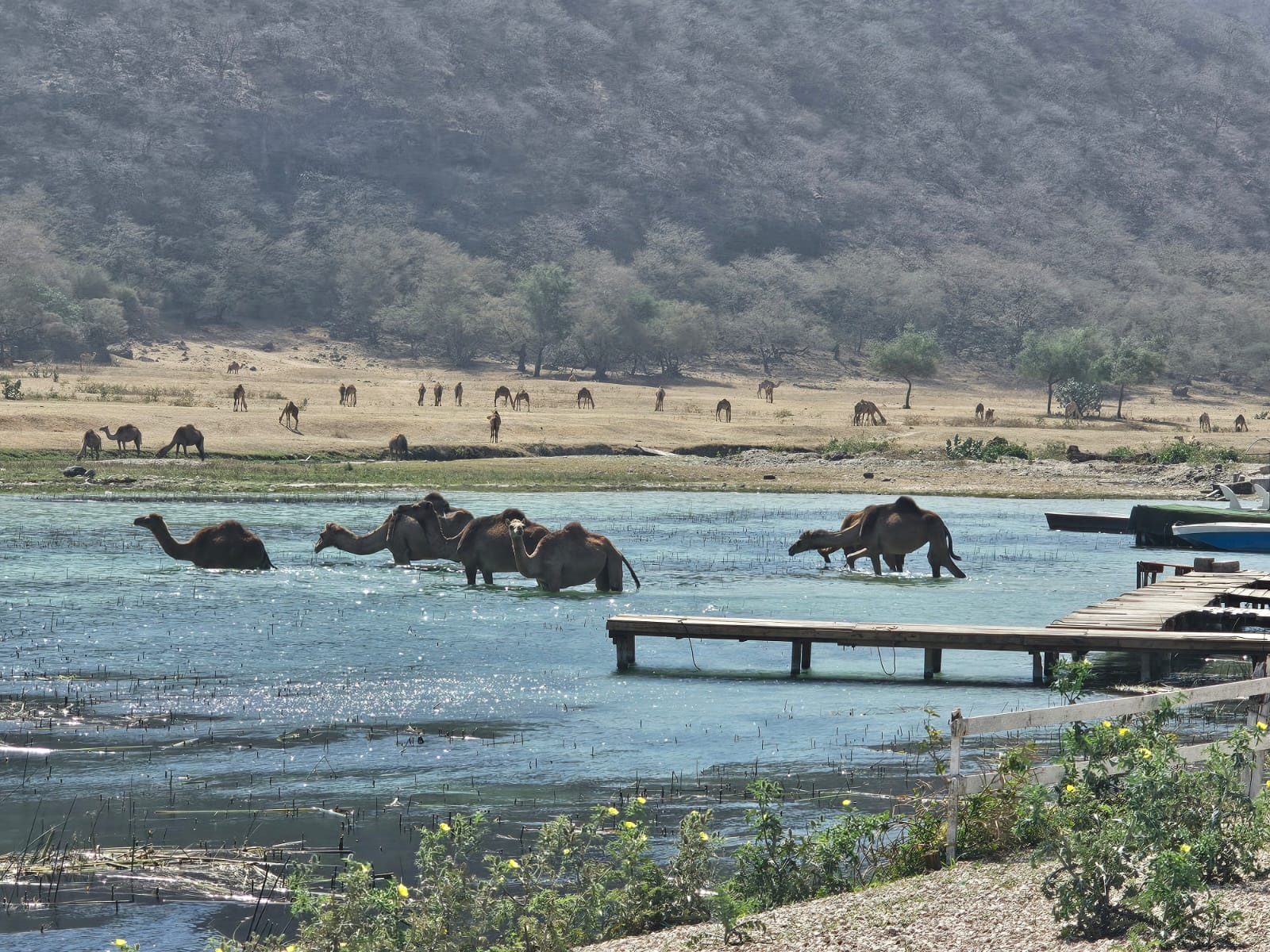
Camel racing is one of Oman’s most exciting traditional sports and has been part of Omani culture for centuries.
The racing season usually takes place during the cooler months from November to March. Races are organized in several cities across the country, including:
- Muscat
- Salalah
- Nizwa
These events attract spectators from across the country and celebrate the cultural heritage of the Arabian Peninsula.
Al-Safilah Fishing Season in Salalah
Another unique seasonal event occurs in Salalah during the Al-Safilah fishing season, which runs from December 7 to December 18.
Al-Safilah is a rare marine species found only in Omani waters. The fishing season lasts for about 12 days and is carefully regulated by authorities to ensure sustainable harvesting.
This short season is highly anticipated by local fishermen and seafood enthusiasts.
Squid Fishing Season in Oman (August – January)
The squid fishing season begins in August and continues until January along several coastal regions of Oman.
Fishermen from areas such as:
- South Al Sharqiyah
- Al Wusta
- Dhofar
venture into the sea to catch squid, which are abundant during this period. This fishing season supports many coastal communities and supplies seafood markets throughout the country.
Why Oman Is a Year-Round Destination
One of the most fascinating things about traveling in Oman is the variety of seasonal experiences available throughout the year. By understanding the Oman seasons calendar, travelers can plan their visit around unique events, natural landscapes, and cultural traditions.
Whether you want to experience the green mountains of Salalah during Khareef, explore the rose farms of Jabal Al Akhdar, or witness traditional camel racing events, Oman offers unforgettable experiences in every season.
If you are planning a visit, explore our Salalah tour packages & Muscat Tour packages and discover the natural beauty and culture of Oman with experienced local guides.

Comment (0)