
Wadi Dawkah Frankincense Park is one of the most important natural heritage sites in Oman and a must-visit destination for anyone interested in the history of the frankincense trade. Located around 40 kilometres north of Salalah in the Dhofar Governorate, Wadi Dawkah is home to one of the world’s largest natural forests of Boswellia sacra, the tree that produces the finest frankincense resin.
Recognised as part of the UNESCO World Heritage Site – Land of Frankincense, Wadi Dawkah preserves the landscape where frankincense has been harvested for thousands of years. This precious resin helped shape ancient civilizations and connected Oman with trade routes stretching across Egypt, Rome, Greece, India, China, and the Arabian Peninsula.
Today, visitors can walk among hundreds of naturally growing frankincense trees, learn about traditional harvesting methods, and discover why Dhofar continues to produce the world’s highest-quality frankincense.
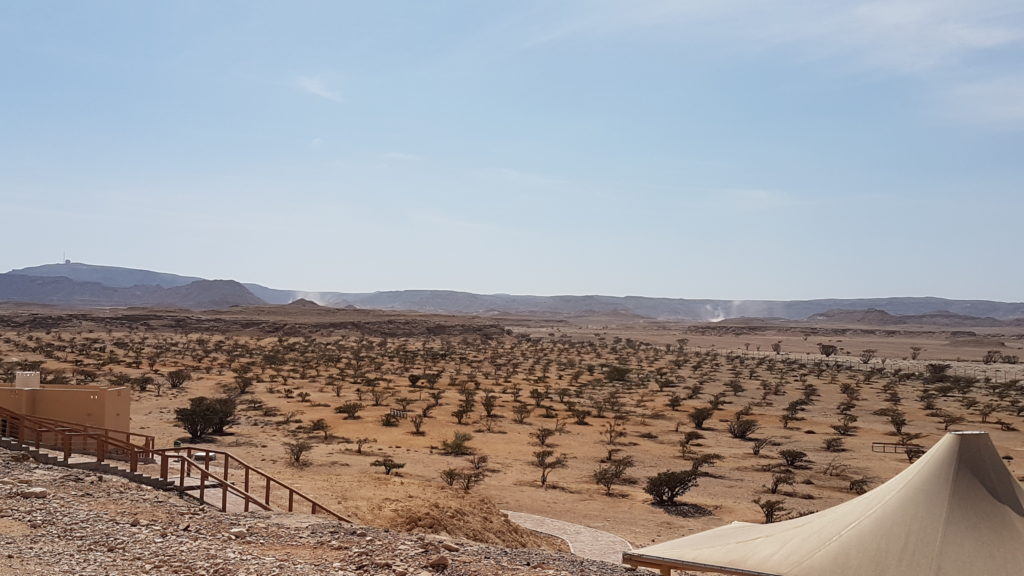
Wadi Dawkah is a protected natural valley covering approximately five square kilometres in the semi-desert landscape north of Salalah.
Unlike cultivated plantations, the frankincense trees here grow naturally in their native habitat, making the area one of the most significant conservation sites for Boswellia sacra anywhere in the world.
The rocky terrain, dry climate, and seasonal mist from the Arabian Sea create ideal conditions for these remarkable trees to thrive.
Contents
UNESCO World Heritage Site
In 2000, UNESCO designated the Land of Frankincense as a World Heritage Site, recognising the outstanding historical importance of the frankincense trade.
Wadi Dawkah forms one of the four UNESCO-listed components:
- Wadi Dawkah Frankincense Park
- Al Baleed Archaeological Park
- Sumhuram Archaeological Park (Khor Rori)
- Ubar (Shisr Archaeological Site)
Together, these sites tell the story of how frankincense transformed southern Oman into one of the world’s most important trading regions for over two thousand years.
The Frankincense Trees (Boswellia sacra)
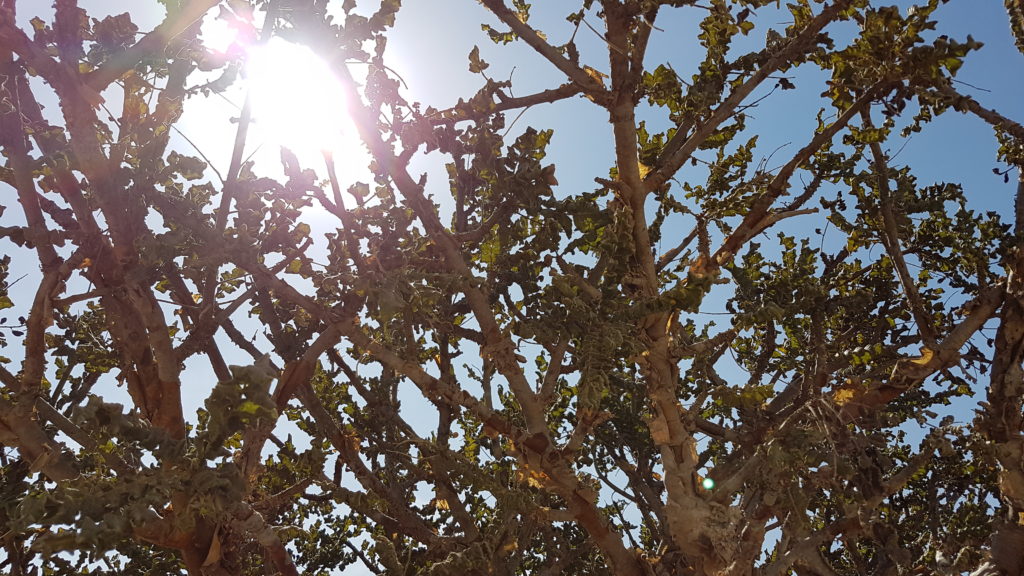
The star attraction of Wadi Dawkah is the Boswellia sacra tree.
This hardy desert tree has adapted perfectly to the harsh environment of Dhofar, surviving with minimal rainfall while producing one of the world’s most valuable natural resins.
Its twisted branches, textured bark, and unique appearance make it a fascinating subject for photographers and nature lovers alike.
Many of the trees in Wadi Dawkah are decades, and in some cases centuries, old.
How Frankincense is Harvested
Frankincense harvesting is a traditional skill that has been passed down through generations in Dhofar.
The harvesting season usually begins in April, when experienced farmers carefully make shallow cuts into the bark of the tree. This process is known as tapping.
A milky white sap slowly emerges from the cuts and hardens over several weeks into aromatic resin tears. The resin is then collected by hand before the tree is tapped again.
A mature tree can produce approximately 3–4 kilograms of frankincense resin during a harvesting season.
Types of Omani Frankincense
Oman produces several grades of frankincense, each with different colours, aromas, and uses.
The four main varieties include:
- Al Hawjari – The highest quality with light-coloured resin and exceptional fragrance.
- Najdi
- Shizri
- Shaabi
Among these, Al Hawjari Frankincense is internationally recognised as the finest frankincense in the world and has been prized for centuries for religious ceremonies, perfumes, traditional medicine, and aromatherapy.
Viewing Platform
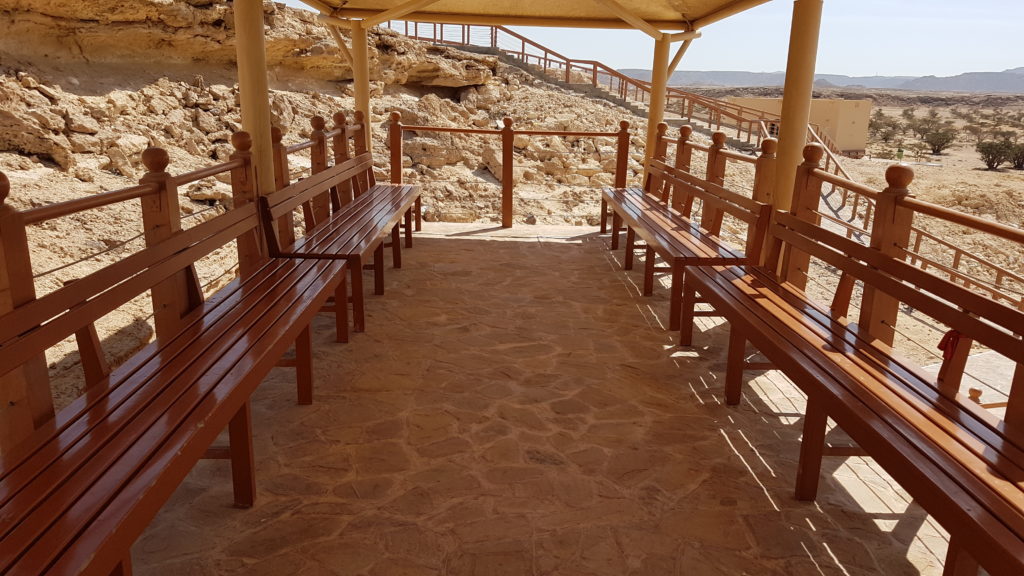
A beautifully designed viewing platform overlooks the frankincense valley.
Visitors can sit comfortably while enjoying panoramic views across the protected landscape and observing hundreds of naturally growing Boswellia trees.
Interpretation boards explain the history of frankincense production, the ecology of the valley, and the importance of conserving these remarkable trees.
This makes Wadi Dawkah both an educational and relaxing destination.
Photography
The unique appearance of the frankincense trees creates outstanding photography opportunities.
Popular subjects include:
- Ancient Boswellia trees
- Desert landscapes
- Rocky valleys
- Sunrise lighting
- Traditional harvesting demonstrations
- Wide panoramic views
Golden hour shortly after sunrise or before sunset provides the most attractive lighting.
Frankincense and Ancient Trade
For thousands of years, frankincense from Dhofar was among the world’s most valuable commodities.
Caravans transported the resin across Arabia to ports and trading centres where it was exported to:
- Ancient Egypt
- Rome
- Greece
- India
- China
- Mesopotamia
The resin was widely used in temples, royal palaces, religious ceremonies, medicine, perfumes, and traditional healing practices.
The prosperity generated by this trade helped establish several great cities in Dhofar, including Al Baleed, Sumhuram, and Ubar.
Nearby Attractions
Ubar Archaeological Site
The legendary Lost City of Ubar and UNESCO World Heritage Site located further north in Al Shisr.
Al Baleed Archaeological Park
Ancient port city where frankincense was exported around the world.
Sumhuram Archaeological Park
Historic trading port overlooking Khor Rori Lagoon.
Empty Quarter (Rub’ al Khali)
The world’s largest continuous sand desert, famous for towering dunes and Bedouin experiences.
Explore Wadi Dawkah with Beautiful Salalah Tours
Visit the birthplace of the world’s finest frankincense with Beautiful Salalah Tours.
Our experienced local Omani guides explain the history of frankincense production, demonstrate traditional harvesting techniques, and combine Wadi Dawkah with the other UNESCO World Heritage Sites of Dhofar for a truly memorable cultural experience.
Recommended Tours
- UNESCO Land of Frankincense & Ubar Tour
- Empty Quarter (Rub’ al Khali) Overnight Desert Experience
- Empty Quarter Sunset Tour
We also offer customized tours that include Wadi Darbat, Jabal Samhan, Mughsail Beach, Marneef Cave, Eftalqout Beach, Shaat Viewpoint, and many other spectacular attractions across Dhofar.
For any inquiries, please contact us at info@beautifulsalalah.com or WhatsApp us at +968 9135 3647.
Why Visit Wadi Dawkah?
Few places in the world allow visitors to see frankincense trees growing naturally in their original habitat.
Wadi Dawkah offers a rare opportunity to understand how one remarkable tree shaped global trade, influenced ancient civilizations, and became one of Oman’s most valuable natural resources.
Its UNESCO status, peaceful desert landscape, educational displays, and historical importance make it one of the most fascinating places to visit near Salalah.
Whether you’re interested in nature, history, photography, or Omani culture, Wadi Dawkah deserves a place on your itinerary.
Travel Tips
Best Time to Visit
October to April offers pleasant weather, while April and May allow visitors to observe the traditional frankincense harvesting season.
What to Wear
Wear lightweight clothing, comfortable walking shoes, sunglasses, sunscreen, and a hat.
Photography Tips
Visit during early morning or late afternoon for softer light and beautiful desert colours.
Family Suitability
Perfect for families, students, photographers, history enthusiasts, and nature lovers.
Adventure Level
Easy. The viewing platform and walking areas are suitable for visitors of all ages.
Frequently Asked Questions
Where is Wadi Dawkah?
Wadi Dawkah is located approximately 40 kilometres north of Salalah on the Salalah–Thumrait highway.
Why is Wadi Dawkah famous?
It is famous for its natural Boswellia sacra trees and as a UNESCO World Heritage Site connected to the ancient frankincense trade.
What type of frankincense grows here?
The valley is home to Boswellia sacra, which produces the world-famous Omani frankincense.
Can visitors see frankincense trees?
Yes. Visitors can walk among naturally growing trees and enjoy panoramic views from the viewing platform.
Can Wadi Dawkah be combined with other attractions?
Yes. It is commonly combined with Ubar Archaeological Site, the Empty Quarter, Al Baleed, and Sumhuram on heritage tours.
Comment (0)