
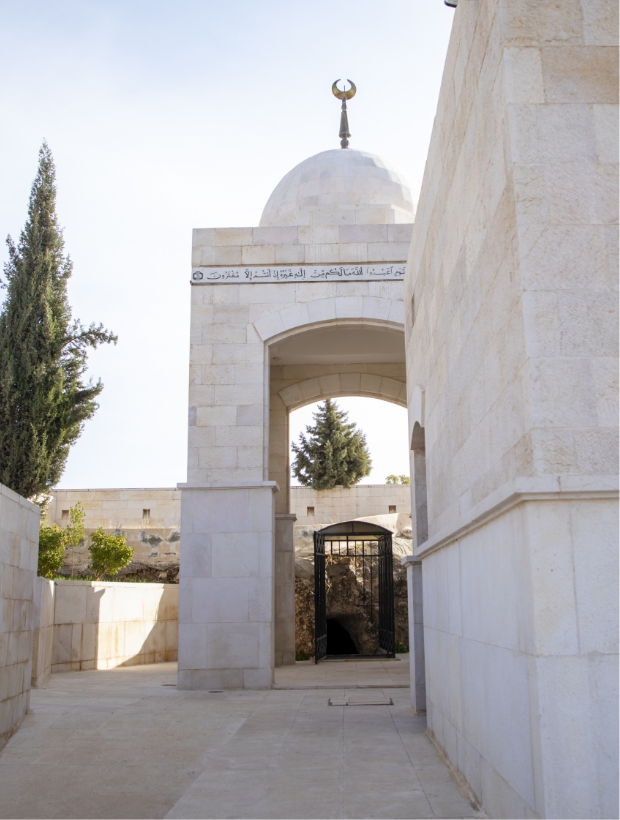
Nabi Hud Tomb (also written as Prophet Hud Tomb, Prophet Hood Tomb, or Nabi Hood Tomb) is one of the most important religious landmarks in the Dhofar Governorate of Oman. Located high in the Al Qara Mountains, north of Salalah, the tomb is a peaceful pilgrimage site surrounded by spectacular mountain scenery, particularly during the Khareef season.
The site attracts visitors from across the Muslim world who come to pay their respects and learn about Prophet Hud (peace be upon him), one of the prophets mentioned in the Holy Qur’an. Beyond its religious significance, the journey to Nabi Hud Tomb is equally memorable, passing through lush mountain landscapes, winding roads, natural springs, and panoramic viewpoints.
Whether you are interested in Islamic history, religious tourism, or exploring the beautiful mountains of Dhofar, Nabi Hud Tomb offers a unique and meaningful experience.
Prophet Hud (peace be upon him) is one of the prophets mentioned in the Holy Qur’an and was sent by Allah to guide the people of ‘Ād, one of the earliest civilizations in the Arabian Peninsula.
According to Islamic tradition, Prophet Hud descended from the family of Prophet Nuh (Noah, peace be upon him) and lived many generations before Prophet Ibrahim (Abraham, peace be upon him).
Allah sent Prophet Hud to call the people of ‘Ād to worship Him alone and abandon idol worship. Despite repeated warnings, the majority rejected his message and continued their arrogance.
The Qur’an explains that Allah eventually punished the people of ‘Ād with a devastating windstorm, while Prophet Hud and the believers were saved.
His story serves as an important lesson about faith, patience, humility, and obedience to Allah.
Popular tour to explore Prophet Hud’s Tomb: Wadi Nahiz Tour
Contents
Nabi Hud Tomb
The tomb of Prophet Hud is situated in the peaceful mountains north of Salalah.
The mausoleum has become an important place of pilgrimage for Muslims visiting Dhofar and is one of several religious sites connected with the Prophets in Oman.
The complex is simple and respectful, reflecting traditional Islamic architecture. Visitors come to offer prayers, reflect upon the story of Prophet Hud, and appreciate the tranquil mountain surroundings.
The peaceful atmosphere makes the site one of the most spiritual places to visit in Salalah.
The Beautiful Drive Through Al Qara Mountains
One of the highlights of visiting Nabi Hud Tomb is the scenic drive through the Al Qara Mountains.
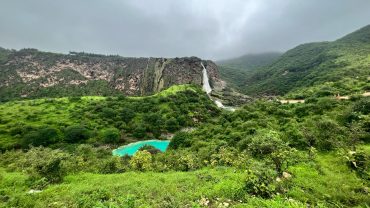
The winding mountain road passes through rolling hills, green valleys, and dramatic viewpoints. During the Khareef season (June to September), thick fog, cool temperatures, and lush green landscapes transform the mountains into one of the most beautiful regions in the Arabian Peninsula.
The journey itself becomes an unforgettable part of the experience.
Prophet Hud in the Holy Qur’an
Prophet Hud is mentioned several times in the Holy Qur’an, and Surah Hud (Chapter 11) is named after him.
His story also appears in several other chapters, including Surah Al-A’raf, Surah Ash-Shu’ara, and Surah Al-Haqqah.
These verses describe his mission to the people of ‘Ād, his call to worship Allah alone, and the punishment that befell those who rejected the truth.
For many Muslim visitors, reading these verses before visiting the tomb adds deeper meaning to the journey.
The People of ‘Ād
The people of ‘Ād were known for their strength, wealth, impressive buildings, and advanced civilization.
They lived in a prosperous region blessed with fertile land and abundant resources. However, pride and disbelief led them to reject the message of Prophet Hud.
According to the Qur’an, Allah destroyed their civilization with a powerful wind that continued for several days, leaving only ruins behind.
Their story remains one of the most well-known historical accounts mentioned in the Qur’an.
The Lost City of Ubar
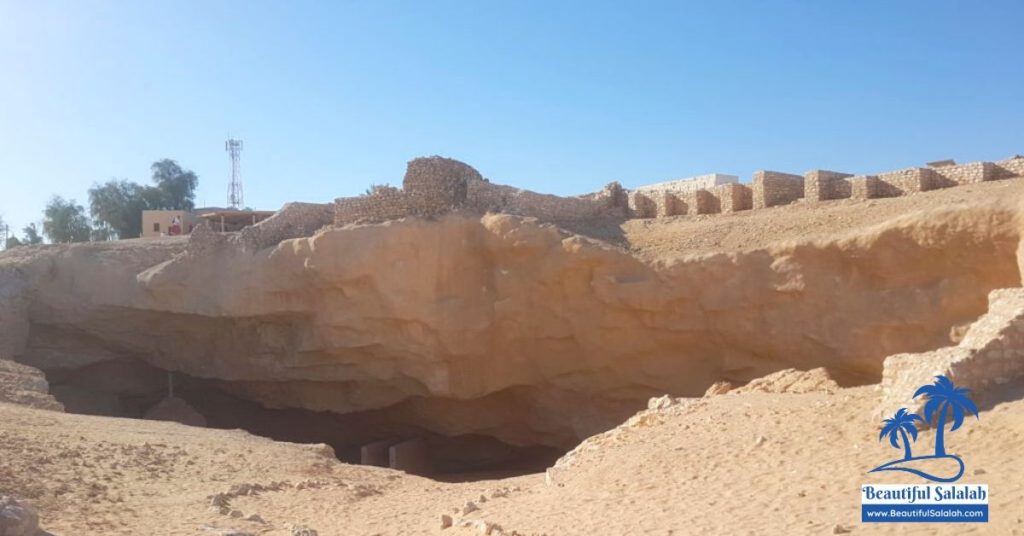
Many historians and researchers associate the legendary Lost City of Ubar (Iram of the Pillars) with the civilization of the people of ‘Ād.
Located approximately 170 kilometres north of Salalah in Al Shisr, Ubar was an important caravan stop along the ancient Frankincense Trade Route.
Although archaeological evidence cannot conclusively identify Ubar as the city of ‘Ād, the site remains one of Oman’s most fascinating historical attractions and a UNESCO World Heritage Site as part of the Land of Frankincense.
Visitors interested in the story of Prophet Hud often combine both destinations in the same itinerary.
Nearby Attractions
Several beautiful attractions can be visited on the same journey.
Ayn Sahalnoot
One of Salalah’s most scenic natural springs, famous for its beautiful mountain drive during Khareef.
Qayroon Hairiti
Known as one of the coolest places in Dhofar, offering spectacular mountain scenery.
Ittin Mountains
Popular for viewpoints, restaurants, parks, and cool weather during the Khareef season.
Wadi Nahiz
A beautiful mountain valley known for its greenery, viewpoints, and peaceful atmosphere.
Ubar Archaeological Site
Discover one of Oman’s UNESCO World Heritage Sites and explore the legendary Lost City of Ubar.
Visit Nabi Hud Tomb with Beautiful Salalah Tours
Experience one of Oman’s most important religious landmarks with Beautiful Salalah Tours.
Our experienced local Omani guides provide historical, cultural, and religious insights while taking you through the breathtaking mountains of Dhofar.
Recommended Tours
- Mountain & Beach Tour – West Salalah
- Salalah City, Food & Shopping Tour (Day Tour)
- Salalah Waterfall & Spring Adventure Tour
We also offer customized tours that include Wadi Darbat, Jabal Samhan, Mughsail Beach, Marneef Cave, Eftalqout Beach, Shaat Viewpoint, and many other spectacular attractions across Dhofar.
For any inquiries, please contact us at info@beautifulsalalah.com or WhatsApp us at +968 9135 3647.
Why Visit Nabi Hud Tomb?
Nabi Hud Tomb offers visitors a rare opportunity to combine faith, history, and nature in one unforgettable journey.
The peaceful mountain setting, rich Islamic heritage, and spectacular Khareef scenery make it one of the most meaningful places to visit in Dhofar.
Whether you are visiting for religious reasons or simply exploring Salalah’s diverse attractions, Nabi Hud Tomb provides a memorable experience that reflects the deep historical and spiritual heritage of Oman.
Travel Tips
Best Time to Visit
The tomb is open throughout the year. During the Khareef season (June to September), the surrounding mountains become lush green and temperatures remain pleasantly cool.
Dress Code
As this is a religious site, modest clothing is recommended. Visitors should respect local customs and maintain a quiet atmosphere.
Photography
Photography is generally permitted in outdoor areas. Always respect any local guidance regarding photography inside religious buildings.
Family Suitability
Suitable for visitors of all ages, including families and religious pilgrims.
Combine with Other Attractions
The journey is best combined with Ayn Sahalnoot, Ittin, Qayroon Hairiti, Wadi Nahiz, and Ubar Archaeological Site.
Frequently Asked Questions
Where is Nabi Hud Tomb?
Nabi Hud Tomb is located in the Al Qara Mountains north of Salalah, near Ayn Sahalnoot, Zeek, and Qayroon Hairiti.
Who was Prophet Hud?
Prophet Hud (peace be upon him) was one of the prophets mentioned in the Holy Qur’an and was sent to guide the people of ‘Ād.
Is Prophet Hud mentioned in the Qur’an?
Yes. Prophet Hud is mentioned in several chapters of the Qur’an, including Surah Hud, which is named after him.
Can tourists visit Nabi Hud Tomb?
Yes. Visitors are welcome throughout the year while respecting the religious significance of the site.
Can I combine Nabi Hud Tomb with other attractions?
Yes. Most visitors combine the tomb with Ayn Sahalnoot, Ittin, Wadi Nahiz, Qayroon Hairiti, and other mountain attractions.


Comment (0)