
Ubar Archaeological Site (also known as Shisr Archaeological Site, Wubar, Waber, Iram, and the Lost City of Ubar) is one of the most fascinating historical destinations in Oman. Located in Al Shisr, approximately 170 kilometres north of Salalah, this UNESCO World Heritage Site is closely linked to the ancient frankincense trade routes and has captivated historians, archaeologists, and explorers for decades.
Often referred to as the Atlantis of the Sands, Ubar gained worldwide attention after archaeologists identified its location using satellite imagery, making it one of the most remarkable archaeological discoveries in modern times. The site is also associated by many scholars and Islamic historians with Iram of the Pillars, mentioned in the Holy Quran.
Today, visitors can explore the remains of this ancient settlement while learning about the history of the frankincense trade, the Empty Quarter desert, and the civilizations that once flourished in southern Arabia.
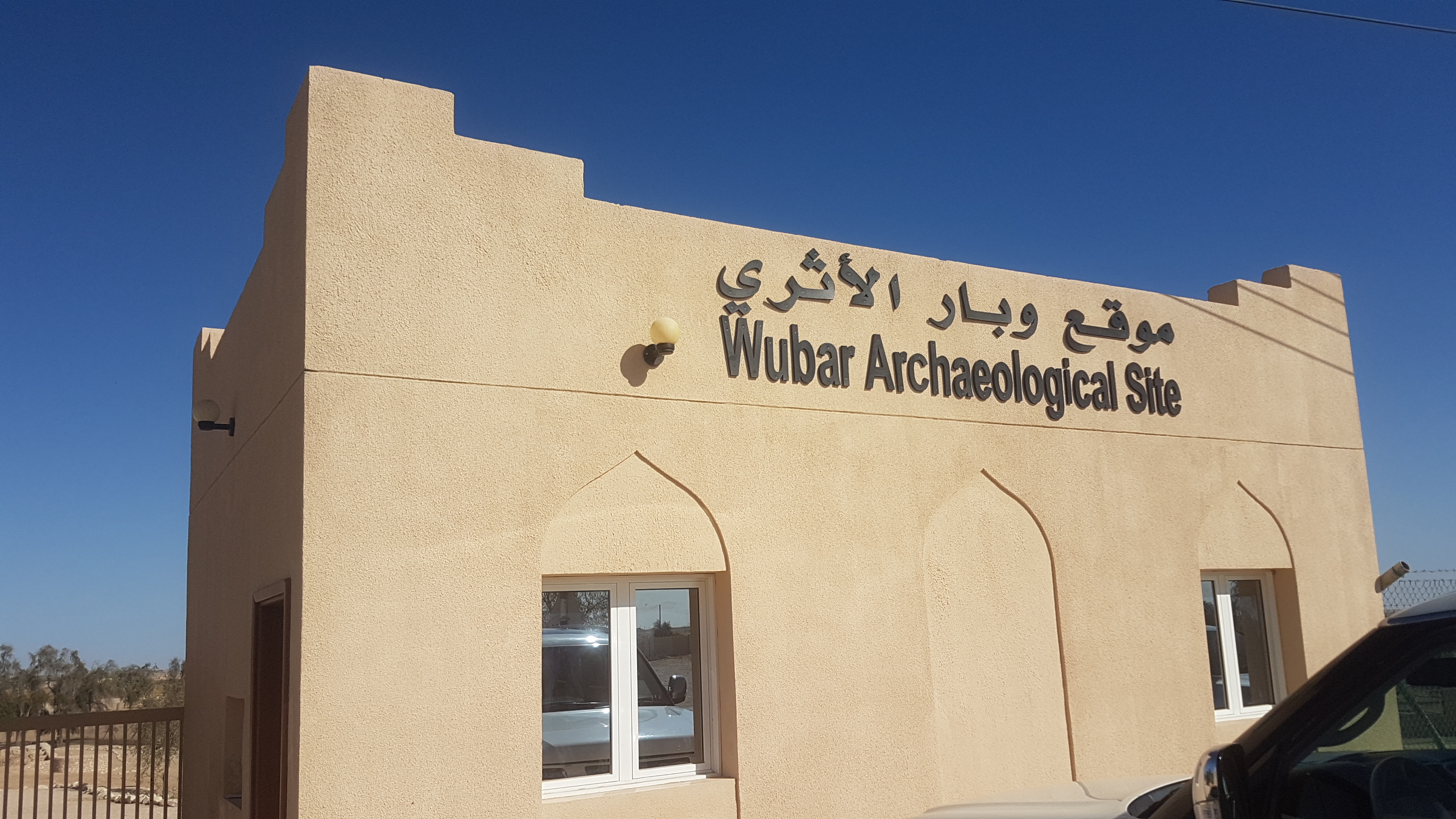
For centuries, stories of a wealthy desert city buried beneath the sands fascinated explorers across the world.
Known as the Lost City of Ubar, this ancient settlement was believed to be an important stop along the famous Frankincense Trade Route that connected southern Arabia with Egypt, Rome, Mesopotamia, Persia, India, and beyond.
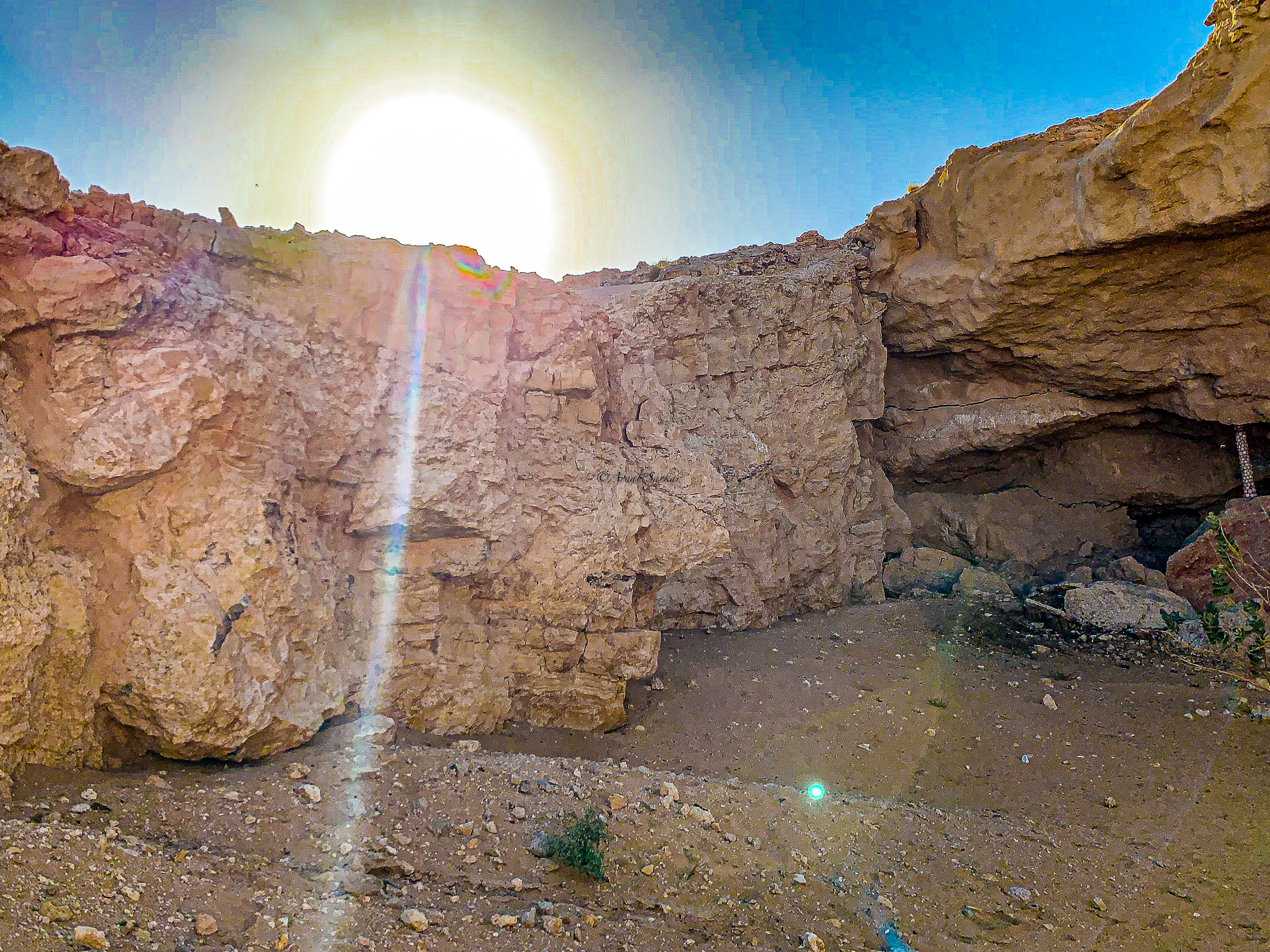
Although much of the ancient city disappeared over time, archaeological excavations uncovered the remains of a fortified caravan settlement built around a large limestone sinkhole that eventually collapsed beneath the fortress.
Today, visitors can walk around the excavation site and imagine the bustling caravan traffic that once passed through this remote desert outpost.
Contents
UNESCO World Heritage Site
In 2000, UNESCO designated The Land of Frankincense as a World Heritage Site.
Ubar Archaeological Site forms one of the four UNESCO-listed components:
- Ubar (Shisr Archaeological Site)
- Wadi Dawkah Frankincense Trees
- Sumhuram Archaeological Park
- Al Baleed Archaeological Park
Together, these sites preserve the remarkable story of Oman’s ancient frankincense civilization, one of the world’s oldest international trading networks.
The Story Behind the Discovery
One of the most fascinating aspects of Ubar is how it was rediscovered.
For generations, historians believed the city existed only in legends. In the late twentieth century, researchers used satellite imagery, historical caravan maps, and archaeological surveys to identify ancient trade routes converging at Al Shisr.
Excavations later revealed the remains of a fortified settlement built around a massive limestone cavity that had collapsed over centuries.
This remarkable discovery attracted worldwide attention and placed Ubar among the most famous archaeological sites in Arabia.
Ubar and Iram in the Holy Quran
Many Islamic scholars associate Ubar with the ancient city of Iram, mentioned in Surah Al-Fajr in the Holy Quran.
According to Islamic tradition, Iram was inhabited by the powerful Tribe of Aad, who were blessed with prosperity but rejected the message of Prophet Hud (peace be upon him). As a result of their arrogance and disbelief, Allah destroyed the civilization through a devastating punishment.
While archaeological evidence cannot conclusively confirm this connection, many Muslim visitors travel to Ubar because of its religious significance alongside its historical importance.
The Frankincense Trade
Long before modern shipping routes existed, caravans crossed the Arabian Desert carrying one of the ancient world’s most valuable commodities — Dhofari Frankincense.
Ubar served as an important inland caravan station where merchants rested before continuing toward Yemen, the Arabian Gulf, Mesopotamia, and the Mediterranean.
The wealth generated by frankincense helped shape the civilization of southern Oman for centuries.
Archaeological Remains
Although only part of the ancient settlement remains visible today, visitors can explore several interesting features including:
- Fortified walls
- Ancient watchtower foundations
- Stone structures
- Archaeological excavation areas
- The collapsed limestone sinkhole
- Interpretation displays explaining the site’s history
The visitor centre also provides useful information about the excavation and the importance of Ubar in ancient trade.
Gateway to the Empty Quarter
Many visitors combine Ubar with a journey into the legendary Rub’ al Khali (Empty Quarter), the largest continuous sand desert on Earth.
Towering golden dunes, traditional Bedouin camps, camel caravans, and unforgettable desert sunsets make this one of the most popular extended excursions from Salalah.
Overnight camping beneath the stars is one of the most memorable experiences in Oman.
Who Should Visit Ubar?
Ubar is especially recommended for visitors who:
- Enjoy archaeology and ancient history.
- Want to explore UNESCO World Heritage Sites.
- Are interested in the Frankincense Trade Route.
- Wish to learn about the story of Prophet Hud and the Tribe of Aad.
- Plan to visit the Empty Quarter Desert.
- Prefer off-the-beaten-path destinations.
- Enjoy desert landscapes and photography.
Nearby Attractions
Empty Quarter (Rub’ al Khali)
The world’s largest continuous sand desert featuring towering dunes and authentic Bedouin experiences.
Wadi Dawkah
A UNESCO World Heritage Site preserving one of the world’s largest natural frankincense forests.
Thumrait
Historic desert town that serves as the gateway to southern Oman’s interior.
Salalah
The capital of Dhofar and starting point for most Ubar excursions.
Explore Ubar with Beautiful Salalah Tours
Discover one of Arabia’s greatest archaeological mysteries with Beautiful Salalah Tours.
Our experienced local Omani guides combine Ubar with the spectacular Empty Quarter, Wadi Dawkah, and other UNESCO World Heritage Sites, providing fascinating insights into Oman’s history, archaeology, Bedouin culture, and the ancient frankincense trade.
Recommended Tours
- UNESCO Land of Frankincense & Ubar Tour
- Empty Quarter (Rub’ al Khali) Overnight Desert Experience
- Empty Quarter Sunset Tour
We also offer customized tours that include Wadi Darbat, Jabal Samhan, Mughsail Beach, Marneef Cave, Eftalqout Beach, Shaat Viewpoint, and many other spectacular attractions across Dhofar.
For any inquiries, please contact us at info@beautifulsalalah.com or WhatsApp us at +968 9135 3647.
Why Visit Ubar Archaeological Site?
Few places combine archaeology, religion, history, and desert adventure quite like Ubar.
The mystery surrounding the Lost City, its connection to the Frankincense Trade Route, and its association with ancient civilizations make it one of the most fascinating places to visit in Oman.
Combined with the nearby Empty Quarter and Wadi Dawkah, Ubar offers an unforgettable journey into the history and landscapes that shaped southern Arabia.
If you enjoy history, UNESCO sites, or unique desert experiences, Ubar is one of the most rewarding excursions from Salalah.
Travel Tips
Best Time to Visit
October to April offers the most comfortable temperatures for exploring the desert.
What to Wear
Lightweight clothing, closed walking shoes, sunglasses, sunscreen, and a hat are essential.
Photography Tips
Golden hour before sunset produces spectacular desert photography with warm colours and long shadows.
Family Suitability
Suitable for families with older children, history enthusiasts, photographers, and adventure travellers.
Adventure Level
Moderate. The archaeological site is easily accessible, while combining it with the Empty Quarter adds an adventurous desert experience.
Frequently Asked Questions
Where is Ubar Archaeological Site?
Ubar is located in Al Shisr, approximately 170 kilometres north of Salalah.
Why is Ubar famous?
It is famous as the legendary Lost City of Ubar, a UNESCO World Heritage Site, and an important station on the ancient Frankincense Trade Route.
Is Ubar mentioned in the Quran?
Many Islamic scholars associate Ubar with Iram, the city mentioned in Surah Al-Fajr, although this connection remains a subject of historical research.
How was Ubar discovered?
The archaeological site was identified using satellite imagery combined with historical trade route research before excavation began.
Can I visit Ubar and the Empty Quarter on the same day?
Yes. Most visitors combine both destinations in a full-day or overnight desert tour.
Comment (0)