
Al Baleed Archaeological Park is one of the most important historical attractions in Oman and a UNESCO World Heritage Site located in the heart of Salalah. Once a thriving port city on the ancient Frankincense Trade Route, Al Baleed played a vital role in connecting southern Arabia with Africa, India, and China for centuries.
Today, visitors can walk through the fascinating ruins of this ancient city while learning about Dhofar’s remarkable history, maritime trade, and cultural heritage. Beautifully preserved pathways, informative displays, a scenic lagoon, and the excellent Museum of the Frankincense Land make Al Baleed one of the most rewarding places to visit in Salalah.
Whether you’re interested in archaeology, history, photography, birdwatching, or simply exploring one of Oman’s most significant UNESCO sites, Al Baleed Archaeological Park offers an unforgettable journey through more than two thousand years of civilization.
Popular tour to explore Al Baleed Archaelogical Park: UNESCO World Heritage sites
Located along the Arabian Sea in central Salalah, Al Baleed Archaeological Park preserves the remains of one of southern Arabia’s most influential trading cities.
The archaeological site covers a large area where visitors can explore ancient streets, city walls, fortifications, religious buildings, and residential quarters while imagining life during the height of the frankincense trade.
The site has been carefully developed with elevated walking paths, bilingual information boards, and beautifully landscaped surroundings that allow visitors to experience the ruins without disturbing the archaeological remains.
Contents
The Ancient City of Zafar
Al Baleed is believed to be the site of the ancient city historically known as Zafar, one of the earliest urban settlements in the Dhofar region.
The city flourished for centuries due to its strategic position along the Indian Ocean trade routes, becoming one of the world’s leading export centers for the prized Dhofari frankincense harvested from Wadi Dawkah.
Merchants from Arabia, Africa, Persia, India, and China passed through its harbor, transforming Al Baleed into an important international trading port between the 8th and 16th centuries.
Although historians continue to study the reasons behind its decline, the archaeological remains provide fascinating insight into one of Oman’s greatest historical cities.
A UNESCO World Heritage Site
Al Baleed Archaeological Park forms one of the four components of the UNESCO World Heritage Site – Land of Frankincense.
This prestigious recognition highlights the global importance of Dhofar’s frankincense trade, which connected civilizations across three continents for thousands of years.
Archaeological excavations began during the 1950s and have uncovered thousands of valuable artifacts, including:
- Pottery
- Oil lamps
- Copper coins
- Decorative tiles
- Jewellery
- Glassware
- Trade ceramics
- Household objects
Many of these discoveries are now displayed inside the Museum of the Frankincense Land.
Visited by Famous Explorers
Throughout history, Al Baleed attracted many of the world’s greatest travelers.
Among those who documented the city were:
- Marco Polo
- Ibn Battuta
- Zheng He
- Ibn Al Mujawir
- Bertram Thomas
- H. G. Carter
- Miles
- Theodore Bent
Marco Polo described the city as one of the great ports of the Indian Ocean, while Ibn Battuta praised its prosperity and importance during his travels across Arabia.
Their writings continue to provide valuable historical accounts of medieval Salalah.
The Grand Mosque
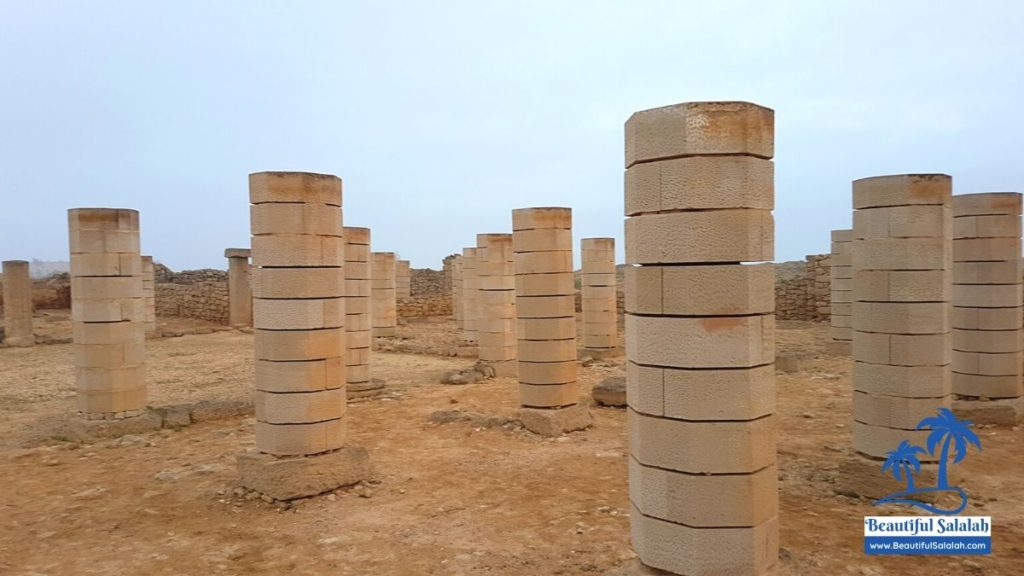
One of the most impressive structures within the archaeological park is the remains of the Grand Mosque.
Dating back to approximately the 10th century (338 AH / 950 CE), it was one of the largest mosques in southern Arabia during its time.
Covering more than 1,700 square metres, the mosque originally featured a magnificent prayer hall supported by 144 stone columns, many of whose foundations remain visible today.
The elegant architectural layout demonstrates the sophistication of Islamic architecture during the early medieval period.
Al Baleed Palace and Fort
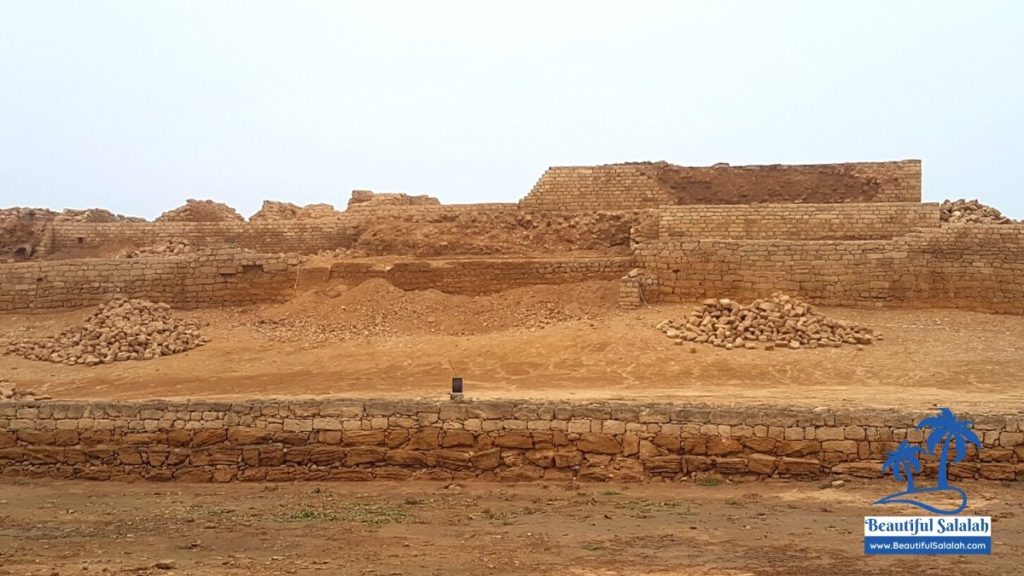
Located at the western end of the archaeological site are the remains of the ruling palace and defensive fortifications.
These structures formed the political and administrative centre of the ancient city and are among the largest surviving ruins within the park.
Visitors can still identify sections of the palace walls, courtyards, and defensive features while enjoying panoramic views across the surrounding archaeological landscape.
Ancient City Wall
The remains of Al Baleed’s city wall illustrate how the settlement was protected from both external threats and seasonal flooding.
Large sections of the original wall can still be seen, providing valuable insight into medieval urban planning and defensive architecture.
Walking alongside these ruins allows visitors to appreciate the scale and importance of the ancient city.
Al Baleed Lagoon
Separating the visitor entrance from the archaeological site is the beautiful Al Baleed Lagoon.
A pedestrian bridge crosses the lagoon, creating one of the most picturesque entrances to any archaeological site in Oman.
The lagoon supports abundant birdlife and reflects the surrounding coconut plantations, making it one of the most photographed areas within the park.
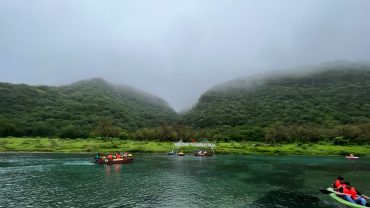
During certain seasons, visitors may also enjoy short boat rides on the lagoon.

Museum of the Frankincense Land
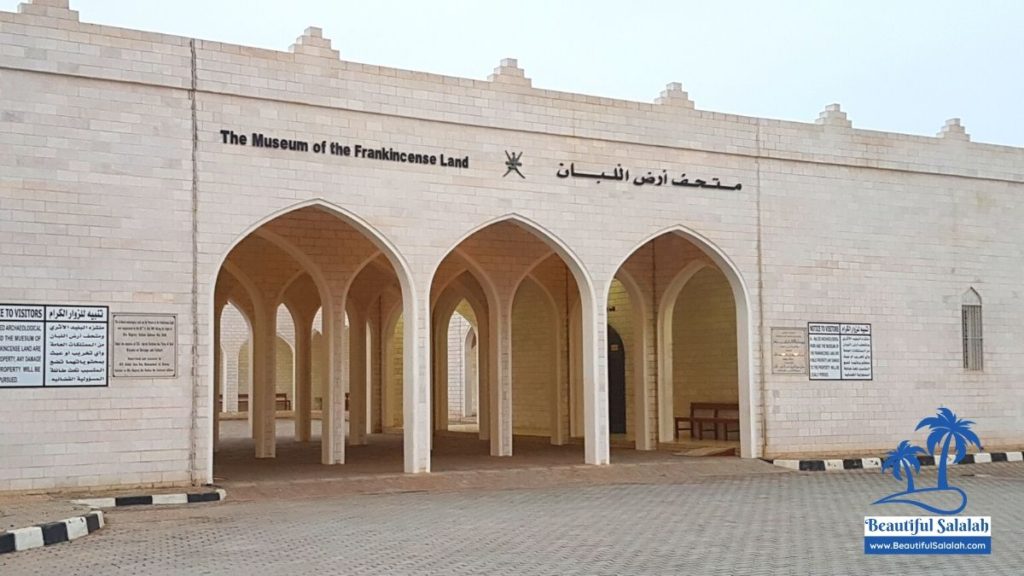
Located within the archaeological park, the Museum of the Frankincense Land is one of Oman’s finest museums and an essential part of the visitor experience.
The museum contains two permanent galleries:
History Gallery
Explore the archaeology, history, and development of the Dhofar region through thousands of years of civilization.
Maritime Gallery
Discover Oman’s remarkable maritime heritage through beautifully crafted models of traditional Omani ships, ancient navigation techniques, and historical trade routes.
Highlights include:
- Artifacts from Al Baleed
- Objects from Sumhuram (Khor Rori)
- Discoveries from Shisr (Ubar)
- Ancient frankincense trade exhibits
- Traditional Omani boats
- Interactive displays
The museum provides excellent context before or after exploring the archaeological ruins.
Bird Watching
The wetlands surrounding Al Baleed create one of Salalah’s best birdwatching locations.
A dedicated observation tower overlooking the lagoon allows visitors to observe numerous resident and migratory bird species throughout the year.
Birdwatchers regularly spot:
- Flamingos
- Herons
- Egrets
- Kingfishers
- Sandpipers
- Waders
The peaceful lagoon environment also provides excellent photography opportunities.
Explore by Golf Cart or on Foot
Visitors can explore Al Baleed in two different ways.
Walking
A raised 2.2-kilometre wooden pathway guides visitors throughout the archaeological site, allowing them to stop and appreciate each monument at their own pace.
Golf Cart
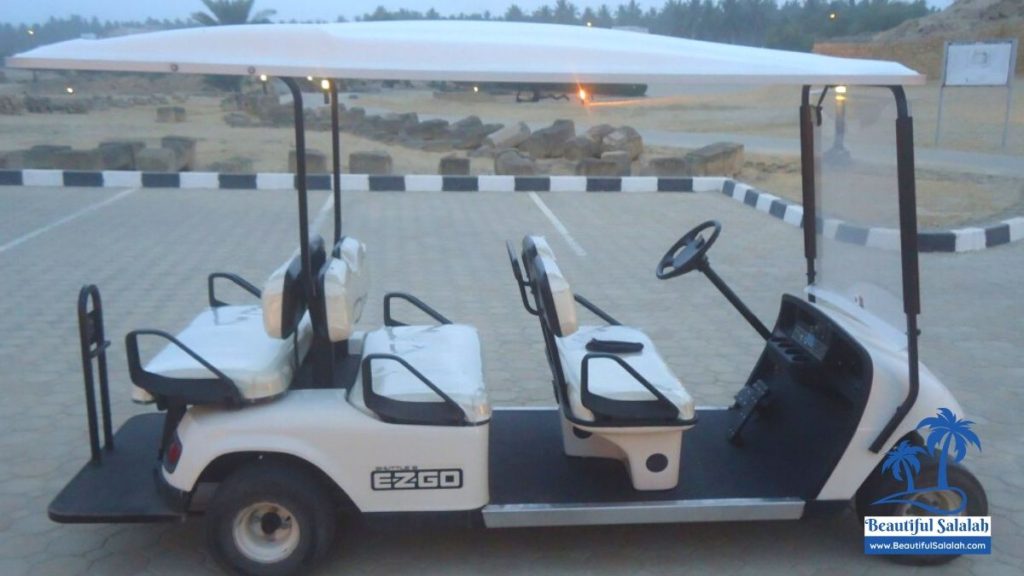
Battery-powered golf carts provide guided rides around the site, making the park more accessible for families, senior visitors, and those with limited mobility.
The tour typically takes around 20 minutes and stops at the park’s major highlights.
Illuminated After Sunset
Although the archaeological park closes during the evening, its monuments are beautifully illuminated after dark.
Warm lighting highlights the ancient palace and surrounding ruins, creating an impressive view from Sultan Qaboos Street.
Even visitors passing by at night can appreciate the grandeur of this historic UNESCO site.
Nearby Attractions
Museum of the Frankincense Land
One of Oman’s finest museums showcasing Dhofar’s archaeology and maritime history.
Al Haffa Beach
A tropical coconut-lined beach just a short walk from the archaeological park.
Al Haffa Souq
Salalah’s famous Frankincense Souq offering perfumes, frankincense, handicrafts, and souvenirs.
Al Baleed Waterfront
A modern waterfront promenade with restaurants, cafés, and beautiful sea views.
Sultan Qaboos Mosque
One of the most beautiful mosques in Oman and a highlight of every Salalah city tour.
Why Visit Al Baleed Archaeological Park
Al Baleed Archaeological Park offers one of the richest historical experiences in Oman.
Its UNESCO recognition, fascinating archaeological ruins, impressive museum, beautiful lagoon, birdlife, and connection to the ancient frankincense trade make it one of Salalah’s most important attractions.
Whether you’re passionate about archaeology, history, photography, or simply wish to understand the remarkable heritage of southern Oman, Al Baleed provides an unforgettable experience.
It is a destination every visitor to Salalah should include in their itinerary.
Travel Tips
Best Time to Visit
October to April offers comfortable temperatures. During Khareef, the surrounding coconut plantations and lagoon become especially beautiful.
Opening Hours
Generally open:
- Saturday to Thursday: 8:00 AM – 2:00 PM and 4:00 PM – 8:00 PM
- Friday: 4:00 PM – 8:00 PM
Opening hours may change during public holidays, so it’s advisable to check before visiting.
Photography Tips
Visit early morning or late afternoon for softer lighting. The lagoon, mosque ruins, and palace provide excellent photography opportunities.
Family Suitability
Excellent for families, school groups, history enthusiasts, photographers, and cultural travelers.
Adventure Level
Easy. The site features well-maintained walking paths suitable for visitors of all ages.
Frequently Asked Questions
Where is Al Baleed Archaeological Park?
It is located in central Salalah along the Arabian Sea, close to Al Haffa Beach and Al Haffa Souq.
Why is Al Baleed important?
It was one of the world’s most important frankincense trading ports and is now recognised as a UNESCO World Heritage Site.
What can I see inside the park?
Visitors can explore the Grand Mosque, palace ruins, city walls, lagoon, archaeological remains, Museum of the Frankincense Land, and birdwatching tower.
How long should I spend at Al Baleed?
Most visitors spend between two and three hours exploring both the archaeological site and museum.
Is the Museum included?
Yes. Admission normally includes access to both the archaeological park and the Museum of the Frankincense Land.
Is Al Baleed suitable for children?
Yes. Families enjoy the walking paths, golf carts, open spaces, and educational museum exhibits.
Explore Al Baleed with Beautiful Salalah Tours
Discover Oman’s rich history with Beautiful Salalah Tours on a professionally guided Salalah City Tour.
Our knowledgeable local guides bring the ancient city to life by sharing fascinating stories about the frankincense trade, maritime history, UNESCO heritage, and the civilizations that once flourished in Dhofar.
Our Popular Tours:
- UNESCO Land of Frankincense Tour
- Mirbat & Taqah Heritage Tour
- Salalah City Tour
- East & West Salalah Combination Tour
We also offer customized tours that include Wadi Darbat, Jabal Samhan, Mughsail Beach, Marneef Cave, Eftalqout Beach, Shaat Viewpoint, and many other spectacular attractions across Dhofar.
For any inquiries, please contact us at info@beautifulsalalah.com or WhatsApp us at +968 9135 3647.
Comment (0)