
The Museum of the Frankincense Land is the premier cultural attraction in Salalah, Oman, offering visitors an immersive journey through the rich history of the Dhofar region. Located inside the UNESCO World Heritage Site of Al Baleed Archaeological Park, it is the only major museum in Salalah and the largest museum in southern Oman.
The museum tells the fascinating story of the ancient frankincense trade that connected Oman with Egypt, Rome, India, China, and the wider world. Through beautifully designed exhibition halls, archaeological discoveries, ancient manuscripts, traditional boats, and interactive displays, visitors gain a deeper understanding of Oman’s maritime heritage and one of history’s most valuable natural treasures.
Whether you are interested in archaeology, history, maritime trade, or Omani culture, the Museum of the Frankincense Land is one of the top places to visit in Salalah and an essential stop on any city tour.
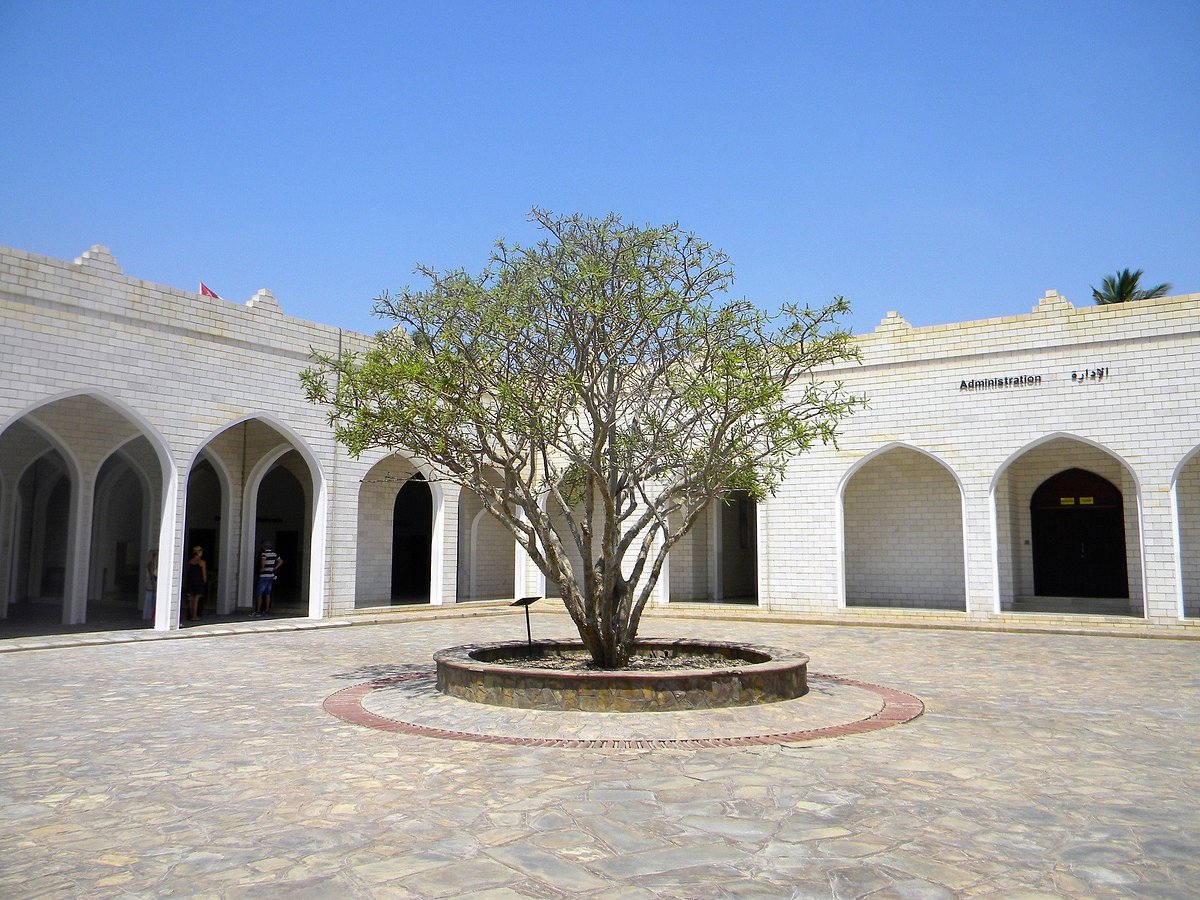
The Museum of the Frankincense Land is located on the eastern side of Al Baleed Archaeological Park, one of the four UNESCO World Heritage Sites that make up the Land of Frankincense.
After exploring the ancient ruins of Al Baleed, visitors enter this modern, air-conditioned museum to discover the remarkable history behind the archaeological remains. Together, the museum and archaeological park provide a complete experience that combines outdoor exploration with fascinating indoor exhibitions.
A single entrance ticket provides access to both attractions, making it one of the best cultural experiences in Oman.
Popular tour to explore Museum of the Frankincense Land: UNESCO World Heritage sites
Contents
The Only Museum in Salalah
The Museum of the Frankincense Land is the only major museum in Salalah and throughout the Dhofar Governorate.
Although small exhibition rooms exist at Taqah Castle, Mirbat Fort, and Sumhuram Archaeological Site, none offer the scale, variety, or historical depth found here.
One of the museum’s most popular exhibits is a living Frankincense tree (Boswellia sacra) displayed inside the building. Visitors can see the famous tree up close and learn how its precious resin shaped Oman’s economy and global trade for thousands of years.
For anyone wishing to understand the history of Salalah and the Frankincense Trail, this museum is an essential destination.
Maritime Hall
The Maritime Hall celebrates Oman’s remarkable seafaring heritage and showcases the country’s long history of maritime trade across the Indian Ocean.
Visitors can admire beautifully crafted scale models of traditional Omani vessels, including:
- Boom
- Battil
- Sambuq
- Ghanjah
- Baghlah
- Other traditional trading ships
The exhibition also features navigation instruments, historical maps, anchors, maritime tools, and displays explaining how Omani sailors navigated between Arabia, East Africa, India, and China.
These exhibits highlight the important role Salalah played as one of the world’s great trading ports during the Frankincense era.
History Hall
The History Hall presents thousands of years of Dhofar’s archaeological and cultural heritage.
Among its most valuable collections are artifacts recovered from three UNESCO World Heritage Sites:
- Al Baleed Archaeological Park
- Sumhuram Archaeological Site
- Ubar (The Lost City of the Desert)
Visitors can explore collections including:
- Pottery
- Coins
- Jewelry
- Stone inscriptions
- Metal tools
- Incense burners
- Household objects
- Ancient trade goods
- Archaeological discoveries
Each exhibit provides insight into everyday life, trade, religion, and craftsmanship in ancient Oman.
The Frankincense Tree Exhibition
One of the museum’s signature attractions is the real Boswellia sacra tree displayed inside the building.
Visitors learn about:
- How Frankincense is harvested
- Different grades of Omani Frankincense
- Traditional tapping techniques
- Ancient Frankincense trade routes
- Medicinal and religious uses
- Why Dhofar produces some of the world’s finest Frankincense
The exhibit perfectly complements visits to Wadi Dawkah, where Frankincense trees grow naturally.
Islamic Heritage Collection
Another important section of the museum highlights Oman’s Islamic heritage.
Displays include:
- Beautiful handwritten Qur’an manuscripts
- Historical Arabic calligraphy
- Religious artifacts
- Models of famous Omani mosques
- Models of the tombs of Prophets Ayub, Hud, and Salih (peace be upon them)
One of the museum’s most significant historical exhibits is a copy of the letter sent by Prophet Muhammad (peace be upon him) to the rulers of Oman, inviting them to Islam.
This remarkable artifact illustrates Oman’s early connection with Islamic history.
Interactive Exhibits
The museum combines traditional displays with informative multimedia presentations, scale models, detailed illustrations, and educational panels.
Visitors of all ages can easily understand:
- Ancient trade routes
- Archaeological discoveries
- Maritime history
- Frankincense production
- Omani culture
- Historical development of Dhofar
The modern presentation makes the museum suitable for families, school groups, and international visitors.
Nearby Attractions
Several of Salalah’s top attractions are located within a few minutes of the museum.
These include:
- Al Baleed Archaeological Park (UNESCO World Heritage Site)
- Al Haffa Beach
- Haffa Souq (Frankincense Souq)
- Dahariz Beach
- Sultan Qaboos Mosque
- Al Baleed Waterfront
Many visitors combine these attractions into a half-day Salalah City Tour.
Explore the Museum with Beautiful Salalah Tours
Experience Salalah’s history with Beautiful Salalah Tours, the region’s leading local tour operator.
Our experienced Omani guides provide fascinating insights into the Frankincense civilization while visiting the museum and nearby UNESCO heritage sites.
Recommended Tours
- Salalah City, Food & Shopping Tour (Day Tour)
- Salalah City, Food & Shopping Tour (Night Tour)
- UNESCO Heritage Tour (Al Baleed • Sumhuram • Wadi Dawkah • Ubar)
We also offer customized tours that include Wadi Darbat, Jabal Samhan, Mughsail Beach, Marneef Cave, Eftalqout Beach, Shaat Viewpoint, and many other spectacular attractions across Dhofar.
For any inquiries, please contact us at info@beautifulsalalah.com or WhatsApp us at +968 9135 3647.
Opening Hours
The museum follows the same schedule as Al Baleed Archaeological Park.
Saturday to Thursday
- 8:00 AM – 2:00 PM
- 4:00 PM – 8:00 PM
Friday
- 4:00 PM – 8:00 PM
Opening hours may vary during public holidays.
Entrance Fee
A single entrance ticket includes access to:
- Museum of the Frankincense Land
- Al Baleed Archaeological Park
Ticket prices are determined by the type of vehicle entering the archaeological park.
Why Visit the Museum of the Frankincense Land?
No visit to Salalah is complete without understanding the history that made Dhofar famous around the world.
The Museum of the Frankincense Land brings together archaeology, maritime history, religion, trade, and Omani culture in one beautifully designed museum. From ancient ports and trading ships to priceless archaeological discoveries and the famous Frankincense tree itself, every gallery tells an important chapter in Oman’s remarkable story.
Whether you’re visiting Salalah for a few days or exploring all of Dhofar, this museum provides the perfect introduction to the region’s unique heritage.
Travel Tips
Best Time to Visit
The museum is open year-round and is an excellent indoor attraction during both Khareef and the warmer summer months.
Allow Enough Time
Plan to spend around 1.5–2 hours exploring both the museum and Al Baleed Archaeological Park.
Photography
Photography is generally permitted in most areas. Flash photography may be restricted around sensitive exhibits.
Family Suitability
Excellent for families, school groups, history enthusiasts, and cultural travelers.
Combine with Other Attractions
The museum is best visited together with Al Baleed Archaeological Park, Haffa Souq, Haffa Beach, and the Museum of Frankincense waterfront area.
Frequently Asked Questions
Where is the Museum of the Frankincense Land?
The museum is located inside Al Baleed Archaeological Park in Salalah, Oman.
Is it the only museum in Salalah?
Yes. It is the only major museum in Salalah and throughout the Dhofar Governorate.
What can I see inside the museum?
Visitors can explore archaeological artifacts, maritime exhibits, Frankincense displays, ancient manuscripts, traditional Omani boats, and interactive historical exhibits.
How long does a visit take?
Most visitors spend between 1.5 and 2 hours visiting both the museum and Al Baleed Archaeological Park.
Is the museum suitable for children?
Yes. The museum is family-friendly and includes many visual displays that make learning enjoyable for children.

Comment (0)