
The Nabi Ayub Tomb (Prophet Job’s Tomb) is one of the most important religious landmarks in Salalah and one of the most visited pilgrimage sites in the Sultanate of Oman. Located high in the beautiful Al Qara Mountains, approximately 27 kilometres northwest of Salalah, the site attracts thousands of visitors every year who come to pay their respects and experience the peaceful mountain surroundings.
Known in Arabic as مقام النبي أيوب, the tomb is associated with Prophet Ayub (A.S.), known as Prophet Job in the Bible. He is respected by Muslims, Christians, and Jews as a symbol of patience, faith, and unwavering trust in God during times of hardship.
Besides its religious significance, the journey to Nabi Ayub offers spectacular mountain scenery, panoramic viewpoints, cool weather during the Khareef season, and one of the most memorable drives in the Dhofar Mountains. Whether you are interested in Islamic history, religious tourism, or simply exploring the mountains around Salalah, Nabi Ayub Tomb is a destination that deserves a place on your itinerary.
Situated among the lush mountains of Jabal Al Qara, Nabi Ayub Tomb is one of the most peaceful and spiritually significant places in Dhofar.
The mausoleum welcomes visitors from around the world who come to reflect on the life of Prophet Ayub (A.S.) and admire the calm atmosphere surrounding the site. The beautifully maintained complex includes the tomb, prayer areas, landscaped gardens, and viewpoints overlooking the mountains.
Its elevated location offers cooler temperatures throughout much of the year, making it a pleasant destination even during the summer months.
Popular tour to explore Prophet Ayub’s Tomb:
Contents
Who Was Prophet Ayub (A.S.)?
Prophet Ayub (A.S.), known as Prophet Job in the Bible, is remembered for his extraordinary patience, perseverance, and complete trust in Allah.
According to Islamic tradition, Prophet Ayub was blessed with great wealth, a large family, and good health. Allah later tested him by taking away his wealth, children, and health over many years.
Despite these severe trials, Prophet Ayub never lost faith or complained against his Creator. His patience became an example for believers throughout history.
Eventually, Allah accepted his prayers, restored his health, returned his wealth, blessed him with children once again, and rewarded him for his steadfast faith.
Today, his story continues to inspire millions of people around the world.
Prophet Ayub in Islam and Christianity
Prophet Ayub occupies an important place in all three Abrahamic religions.
In Islam, he is mentioned several times in the Holy Quran as an example of patience and devotion to Allah.
In Christianity and Judaism, he is known as Job, whose story appears in the Book of Job in the Old Testament.
Because of this shared religious heritage, the tomb attracts Muslim pilgrims as well as Christian and Jewish visitors interested in biblical history.
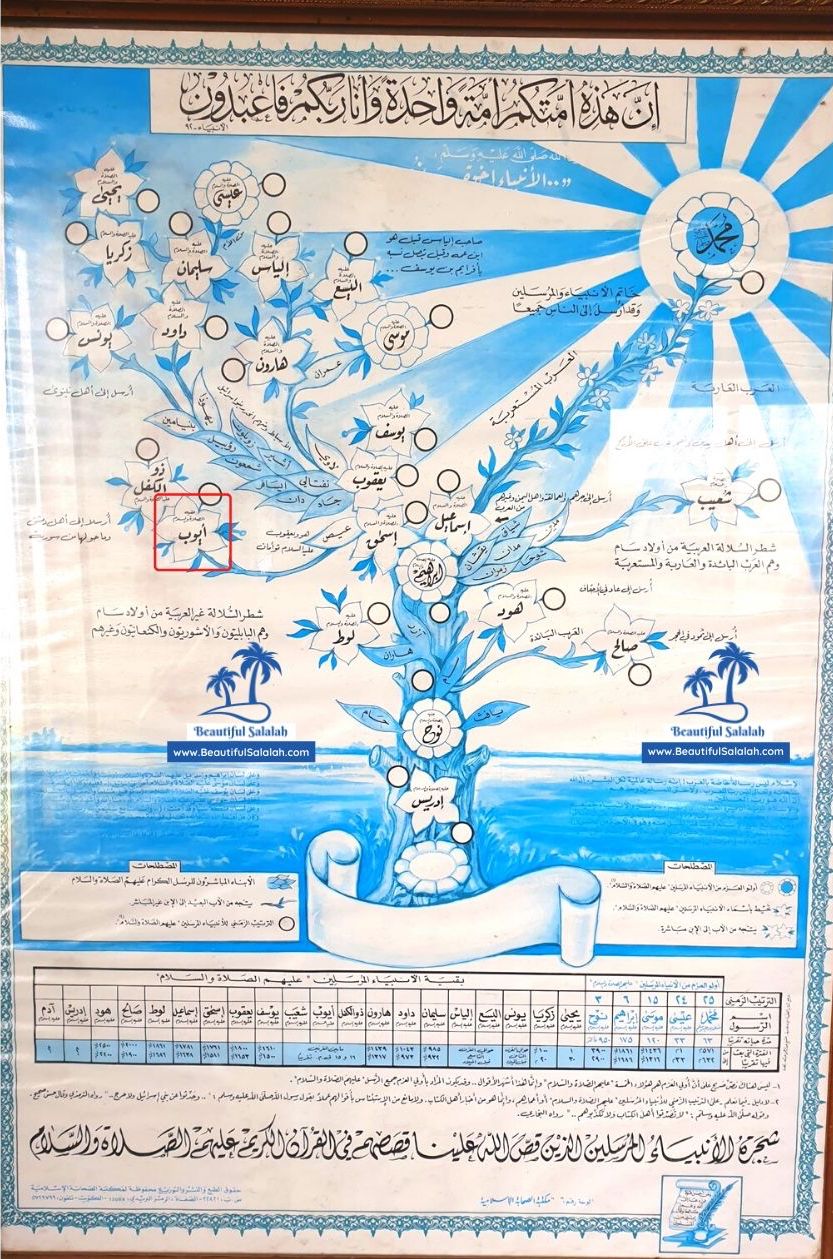
Family Tree of the Prophets
Inside the mausoleum, visitors will find an interesting display showing the family tree of the Prophets.
Written in Arabic, this chart traces the lineage from Prophet Idris (A.S.) through numerous prophets, including Prophet Ayub (A.S.), and concludes with Prophet Muhammad (ﷺ).
Many visitors spend time studying the genealogy, making it both an educational and spiritual highlight of the visit.
Drive to Nabi Ayub Tomb
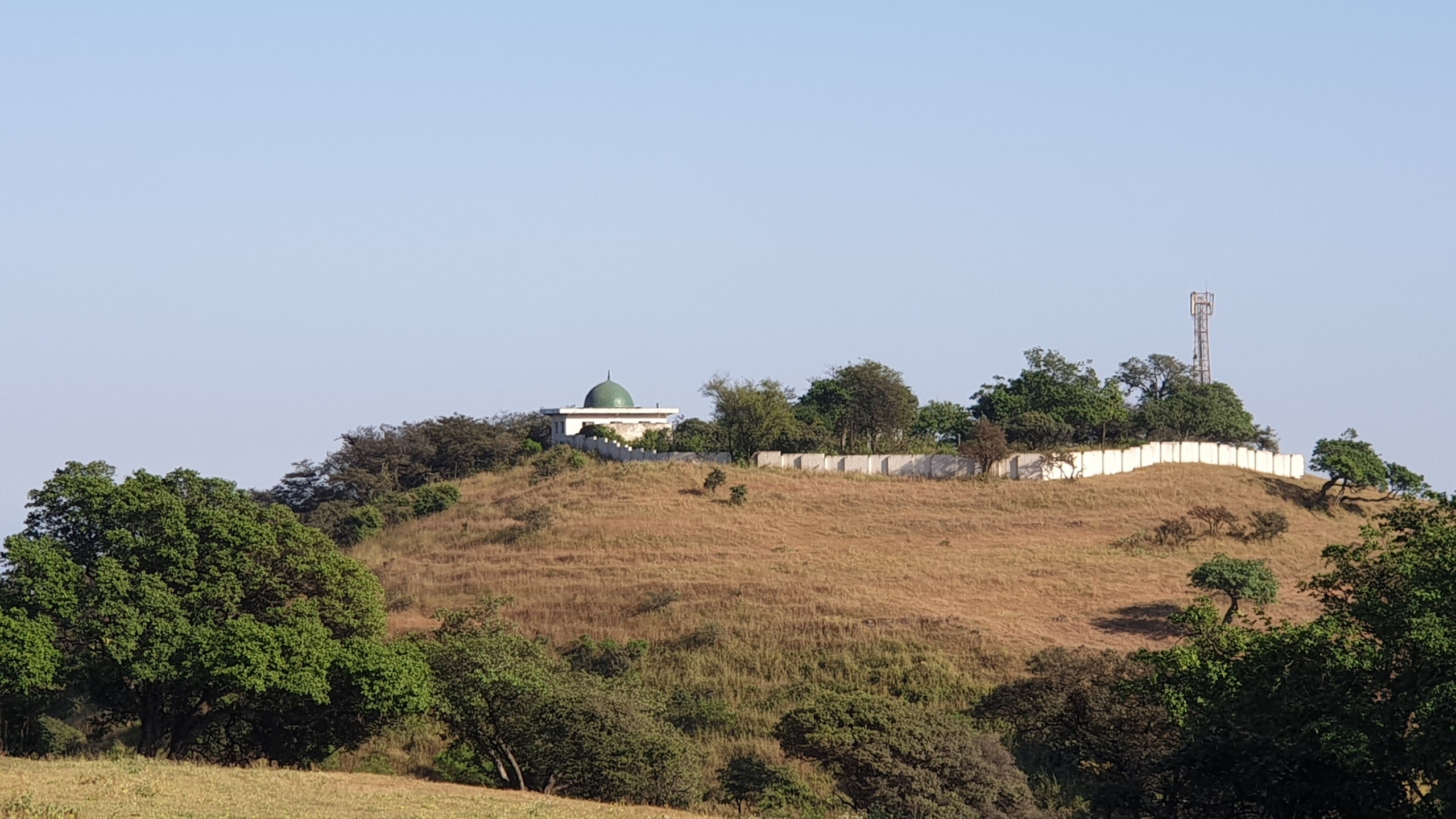
The drive from Salalah to Nabi Ayub Tomb is one of the most scenic mountain journeys in Dhofar.
The route climbs through the beautiful Jabal Ittin and Al Qara Mountains, passing winding roads, dramatic viewpoints, green valleys, and mountain villages.
During the Khareef season, dense fog often blankets the mountains, creating a magical atmosphere while adding to the adventure.
The journey usually takes around 30 minutes from Salalah.
Along the way, visitors will find several viewpoints that offer spectacular views across the mountains and plains below.
Nabi Ayub During Khareef
Khareef transforms the mountains surrounding Nabi Ayub into one of the greenest landscapes in the Arabian Peninsula.
Clouds drift across the roads while light drizzle, cool temperatures, and lush vegetation create an unforgettable experience.
Temporary stalls appear around the parking area selling:
- Tea and coffee
- Fresh fruits
- Snacks
- Local food
- Toys
- Umbrellas
- Raincoats
- Mosquito repellent
The atmosphere becomes lively as thousands of visitors arrive from Oman and neighbouring GCC countries during the monsoon season.
Visiting Outside Khareef
Outside the Khareef season, Nabi Ayub offers a completely different experience.
The weather becomes warmer and clearer, providing excellent visibility across the surrounding mountains.
Visitor numbers are lower, making it an ideal time for those seeking a quieter and more peaceful visit.
The mountain scenery remains impressive throughout the year.
Religious Importance
For Muslims, visiting the tomb serves as a reminder of patience, gratitude, and trust in Allah during life’s difficulties.
Although the site is respected by believers, visitors are encouraged to maintain proper Islamic etiquette by behaving respectfully and avoiding practices that contradict Islamic teachings.
The peaceful atmosphere makes the location ideal for quiet reflection and prayer.
Nearby Attractions
Jabal Ittin
One of Salalah’s most scenic mountain viewpoints overlooking the city and surrounding plains.
Ayn Jarziz
A beautiful natural spring surrounded by greenery, picnic areas, and walking paths.
Ayn Garziz Waterfall
A seasonal waterfall that becomes particularly attractive during the Khareef season.
Nabi Imran Tomb
Another important religious site in Salalah associated with Prophet Imran (A.S.).
Sultan Qaboos Mosque
The largest mosque in Salalah and one of Oman’s finest examples of Islamic architecture.
Why Visit Nabi Ayub Tomb
Nabi Ayub Tomb combines spiritual significance, mountain scenery, and cultural heritage in one remarkable destination.
Whether you come to learn about Prophet Ayub (A.S.), admire the breathtaking landscapes of the Al Qara Mountains, or experience one of Salalah’s most important pilgrimage sites, the visit offers a meaningful and memorable experience.
The peaceful surroundings, scenic drive, and rich religious history make Nabi Ayub Tomb one of the most unique attractions in Dhofar.
Travel Tips
Best Time to Visit
The Khareef season (late June to early September) offers lush green mountains and cool weather, while October to April provides clearer skies and quieter surroundings.
What to Wear
Modest clothing is recommended, as this is an active religious site. Comfortable walking shoes are also advisable.
Photography Tips
Capture the mountain scenery during early morning or late afternoon. Always be respectful when photographing inside or around the mausoleum.
Family Suitability
Suitable for families, pilgrims, history enthusiasts, and visitors interested in Islamic heritage.
Adventure Level
Easy. The site is accessible by paved road with parking available nearby.
Frequently Asked Questions
Where is Nabi Ayub Tomb located?
Nabi Ayub Tomb is located approximately 27 kilometres northwest of Salalah in the Al Qara Mountains.
Who was Prophet Ayub?
Prophet Ayub (A.S.), known as Job in the Bible, is remembered for his extraordinary patience, faith, and perseverance during severe trials.
Can non-Muslims visit Nabi Ayub Tomb?
Yes. Visitors of all faiths are welcome, provided they dress modestly and respect the religious nature of the site.
How long does it take to reach the tomb?
The drive from Salalah takes approximately 30 minutes.
When is the best time to visit?
Khareef offers spectacular green landscapes, while the winter months provide pleasant weather and clearer views.
Is Nabi Ayub Tomb worth visiting?
Absolutely. It is one of Salalah’s most important religious landmarks and combines spiritual significance with beautiful mountain scenery.
Visit Nabi Ayub Tomb with Beautiful Salalah Tours
Explore one of Salalah’s most significant religious and cultural landmarks with Beautiful Salalah Tours.
Our licensed Omani guides share the fascinating story of Prophet Ayub (A.S.), explain the historical importance of the site, and guide you through the scenic mountain roads safely, especially during the Khareef season.
Our tours visiting Nabi Ayub also include some of Salalah’s most popular attractions:
- Jabal Ittin
- Ayn Jarziz
- Sultan Qaboos Mosque
- Al Baleed Archaeological Park
- Al Haffa Souq
- Al Haffa Beach
Recommended Tours
Heritage & Culture Tours
Salalah City Tours
We also offer customized tours that include Wadi Darbat, Jabal Samhan, Mughsail Beach, Marneef Cave, Eftalqout Beach, Shaat Viewpoint, and many other spectacular attractions across Dhofar.
For any inquiries, please contact us at info@beautifulsalalah.com or WhatsApp us at +968 9135 3647.


Comment (0)