
Nabi Imran Tomb (also written as Prophet Imran Tomb, Nabi Umran Tomb, or Tomb of Imran) is one of the most well-known religious landmarks in Salalah, Oman. Located in the heart of the city, this historic mausoleum attracts thousands of visitors every year, including Muslims, Christians, and travelers interested in the religious heritage of Dhofar.
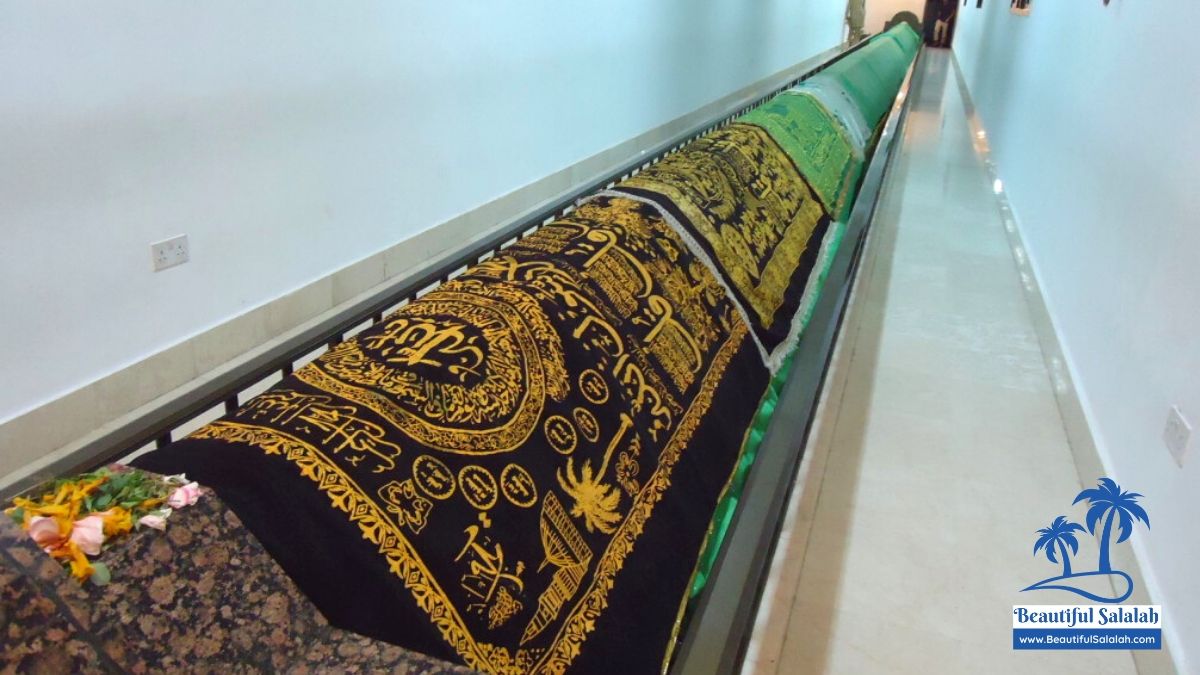
The tomb is especially famous for its extraordinary length of approximately 12 metres, making it one of the longest graves in the world. While historians and religious scholars hold different views regarding the identity of Nabi Imran, the site continues to be an important place of respect, reflection, and pilgrimage.
Whether you are exploring Salalah’s religious landmarks, learning about Oman’s history, or visiting nearby attractions such as Sultan Qaboos Mosque, Haffa Souq, and Al Baleed Archaeological Park, Nabi Imran Tomb is a fascinating stop that offers both cultural and spiritual significance.
The identity of Nabi Imran (Prophet Imran) has been discussed for many years, and there is no universally accepted historical conclusion regarding the individual buried at this site.
Several traditions and historical opinions exist:
- Some believe Imran was the father of Prophet Musa (Moses, peace be upon him).
- Others associate the name with Imran, the father of Maryam (Mary, peace be upon her) and grandfather of Prophet Isa (Jesus, peace be upon him).
- Some historians suggest the tomb may belong to a respected religious scholar or saint from a later period rather than a prophet.
Since historical evidence is limited, the exact identity remains uncertain.
Allah knows best.
For visitors, the importance of the site lies in its religious heritage, historical significance, and centuries of local tradition.
Contents
One of the Longest Tombs in the World
The most remarkable feature of Nabi Imran Tomb is its extraordinary length.
The grave measures approximately 12 metres (around 40 feet), making it one of the longest tombs found anywhere in the world.
Over the years, many explanations have been suggested:
- Some believe the prophet himself was exceptionally tall.
- Others believe the exact burial location became unknown over time, leading to the construction of an elongated symbolic tomb.
- Another local tradition suggests the extended structure commemorates more than one burial location within the same enclosure.
Whatever the explanation, the impressive size of the tomb continues to fascinate visitors from around the world.
Inside the Mausoleum
The interior of Nabi Imran Tomb is simple, peaceful, and beautifully maintained.
The long grave occupies the center of the building and is respectfully enclosed. Visitors can quietly walk around the tomb while appreciating the calm atmosphere.
The building reflects traditional Islamic simplicity, encouraging contemplation and respect rather than elaborate decoration.
Many visitors spend a few minutes reading prayers, reflecting, or simply appreciating one of Salalah’s most unique historical landmarks.
The Exterior
Unlike many other mausoleums in Oman, Nabi Imran Tomb has a modest architectural style.
The building is rectangular in shape without a large dome, blending naturally into the surrounding neighborhood.
Outside, visitors will find:
- A peaceful garden
- Large shade trees
- Landscaped lawns
- Seating areas
- Parking facilities
The quiet surroundings make it an ideal place for visitors seeking a peaceful cultural experience.
Nabi Imran Mosque
Adjacent to the mausoleum stands Nabi Imran Mosque, where the five daily Islamic prayers are performed.
The mosque serves the local community while also welcoming Muslim visitors traveling through Salalah.
During prayer times, visitors are requested to respect worshippers and maintain appropriate etiquette.
Religious Importance
Nabi Imran Tomb is one of several important religious landmarks in Dhofar.
Together with:
- Prophet Ayub (Job) Tomb
- Prophet Hud Tomb
- Prophet Salih Tomb
the site forms part of Salalah’s unique religious tourism offering, attracting visitors interested in Islamic history and the stories of the Prophets mentioned in the Holy Qur’an.
Many visitors include several of these sites within a single sightseeing tour.
Location of Nabi Imran Tomb
Nabi Imran Tomb is conveniently located in central Salalah.
It sits close to several important city landmarks including:
- Haffa House Hotel
- Burj Al Nahdah
- Sultan Qaboos Street
- Sultan Qaboos Mosque
- Haffa Souq
- Al Baleed Archaeological Park
Its central location makes it an easy stop during any Salalah city tour.
Nearby Attractions
Several popular attractions are located within a short drive.
Sultan Qaboos Mosque
The largest mosque in Salalah and one of Oman’s most beautiful Islamic landmarks.
Haffa Souq
Browse traditional frankincense, perfumes, handicrafts, and Omani souvenirs.
Al Haffa Beach
Relax under coconut palms overlooking the Arabian Sea.
Al Baleed Archaeological Park
Explore one of Oman’s UNESCO World Heritage Sites.
Museum of the Frankincense Land
Discover the history of the Frankincense Trade and ancient Dhofar.
Burj Al Nahdah
One of Salalah’s most recognizable city landmarks located nearby.
Visit Nabi Imran Tomb with Beautiful Salalah Tours
Experience Salalah’s rich religious and cultural heritage with Beautiful Salalah Tours.
Our knowledgeable local Omani guides provide historical context and local traditions while taking you to the city’s most important landmarks.
Recommended Tours
- Salalah City, Food & Shopping Tour (Day Tour)
- Salalah City, Food & Shopping Tour (Night Tour)
- Mountain & Beach Tour – West Salalah
We also offer customized tours that include Wadi Darbat, Jabal Samhan, Mughsail Beach, Marneef Cave, Eftalqout Beach, Shaat Viewpoint, and many other spectacular attractions across Dhofar.
For any inquiries, please contact us at info@beautifulsalalah.com or WhatsApp us at +968 9135 3647.
Why Visit Nabi Imran Tomb?
Nabi Imran Tomb is one of Salalah’s most unique religious landmarks.
Its remarkable length, peaceful surroundings, historical significance, and central location make it an interesting destination for visitors of all backgrounds.
Whether you’re exploring Islamic heritage, Omani history, or simply discovering Salalah’s diverse attractions, the tomb offers an opportunity to experience an important part of Dhofar’s cultural identity.
Combined with nearby attractions such as Sultan Qaboos Mosque, Haffa Souq, and Al Baleed Archaeological Park, it forms an excellent half-day city itinerary.
Travel Tips
Best Time to Visit
The tomb can be visited throughout the year. Morning and late afternoon offer the most pleasant temperatures.
Dress Code
As this is a religious site, modest clothing is recommended. Shoulders and knees should be covered, and visitors should behave respectfully.
Photography
Photography outside is generally permitted. Always respect any local guidance regarding photography inside the mausoleum.
Family Suitability
Suitable for visitors of all ages, including families, educational groups, and cultural travelers.
Combine with Other Attractions
The tomb is best visited together with Sultan Qaboos Mosque, Haffa Souq, Haffa Beach, and Al Baleed Archaeological Park.
Frequently Asked Questions
Where is Nabi Imran Tomb?
It is located in central Salalah near Haffa House Hotel and Burj Al Nahdah.
Why is Nabi Imran Tomb famous?
It is famous for being one of the longest tombs in the world, measuring approximately 12 metres in length.
Who is buried in Nabi Imran Tomb?
The exact historical identity remains uncertain. Different traditions associate the tomb with different figures named Imran, and there is no universally accepted historical conclusion.
Is Nabi Imran Tomb open to visitors?
Yes. Visitors are welcome throughout the year while respecting the religious nature of the site.
How long should I spend at the tomb?
Most visitors spend between 20 and 30 minutes exploring the mausoleum and surrounding grounds.



Comment (0)