
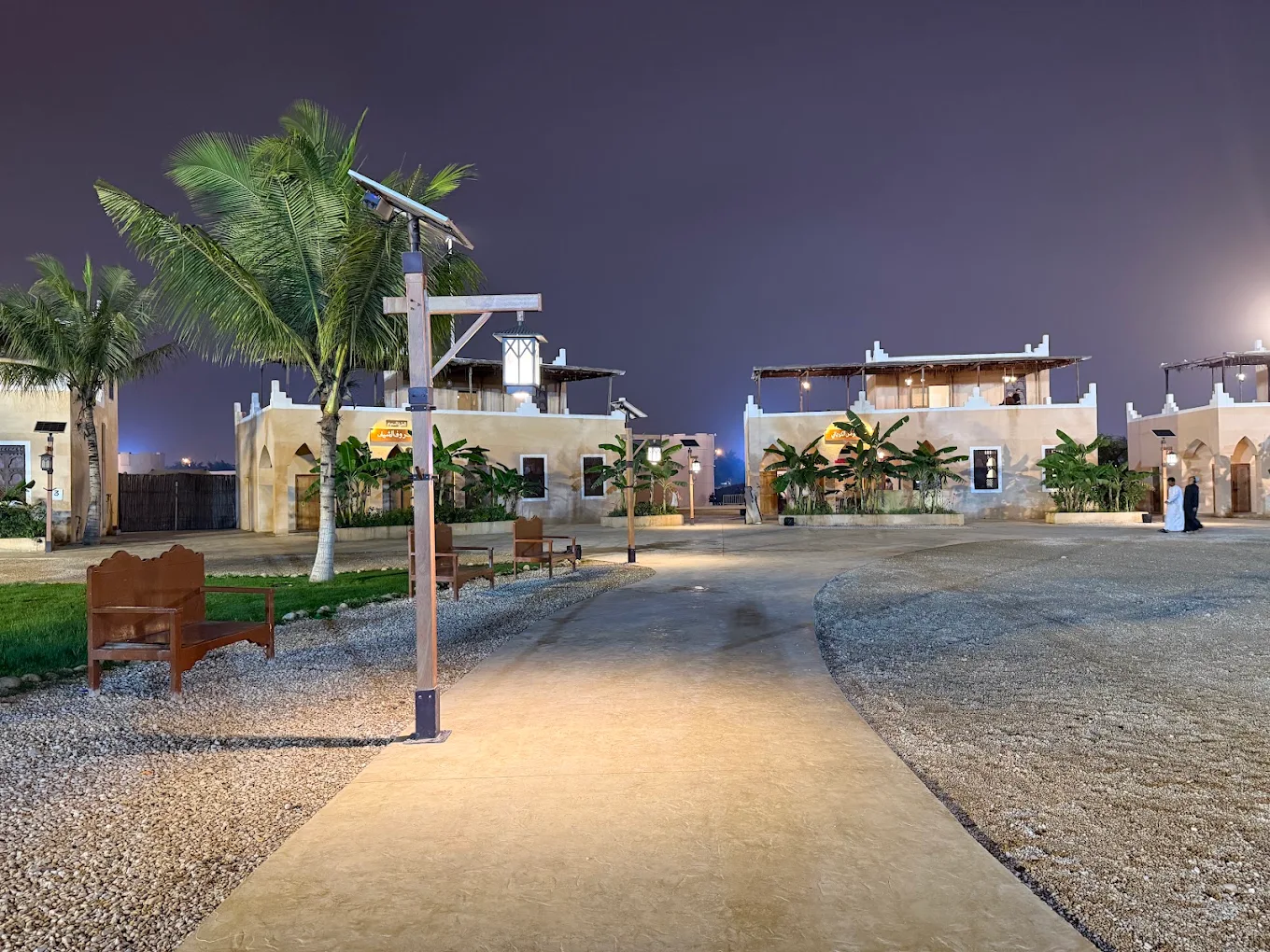
Udatal Madhi (عودة الماضي), meaning “Return of the Past,” is one of the most interesting cultural attractions to visit during the Khareef season in Salalah. Located in Al Saadah (السعادة), the heritage village takes visitors back in time to experience how people in Dhofar lived before modern development transformed the region.
Rather than functioning like a conventional museum, Udatal Madhi brings Dhofari heritage to life. Visitors can walk through recreated traditional settings, see old occupations and handicrafts, experience local customs, watch Omani folk performances, explore traditional markets, and discover the differences between the various environments that shaped life in Dhofar.
For travelers who spend most of their Salalah holiday visiting waterfalls, mountains and beaches, Udatal Madhi offers something completely different: an opportunity to understand the people, traditions and culture behind the destination.
Contents
What Does Udatal Madhi Mean?
The Arabic name عودة الماضي (Awdat Al Madhi / Udatal Madhi) translates approximately as “Return of the Past.”
The concept is exactly what the name suggests.
The attraction recreates elements of traditional life in Dhofar so that younger generations and international visitors can experience aspects of the region’s heritage rather than simply reading about them.
It is particularly interesting because Dhofar historically contained communities living in very different environments. Life in Salalah and the coastal settlements was different from life in the mountains and from the traditions of Bedouin communities further inland.
Udatal Madhi brings these different environments together in one cultural experience.
Experience the Three Traditional Environments of Dhofar
One of the most important features of Udatal Madhi is its representation of the different traditional environments of Dhofari society.
1. Urban Life – البيئة الحضرية
The urban section introduces visitors to aspects of traditional town and settlement life.
Before Salalah developed into the modern city visitors see today, communities depended heavily on local markets, craftsmen, agriculture, fishing and traditional forms of trade.
The recreated environment helps visitors imagine everyday life in old Dhofar, including traditional architecture, occupations and social customs.
2. Rural and Mountain Life – البيئة الريفية
Dhofar’s mountains have always played an important role in the region’s identity.
The rural environment reflects the lifestyle of communities associated with the mountains and countryside, where livestock, agriculture and the natural landscape shaped everyday life.
This section becomes particularly meaningful during Khareef, when the mountains surrounding Salalah are covered with mist and greenery.
3. Bedouin Life – البيئة البدوية
The Bedouin environment introduces another important side of Dhofar’s heritage.
Life further inland was closely connected with livestock, desert landscapes, traditional shelters and the ability to adapt to difficult environmental conditions.
Seeing these different lifestyles together helps visitors understand why Dhofar’s cultural heritage is so diverse.
Traditional Dhofari Crafts
One of the best reasons to visit Udatal Madhi is the opportunity to see traditional craftsmanship.
Instead of viewing finished objects behind museum glass, visitors may encounter artisans demonstrating skills associated with older generations.
Traditional crafts are an important part of Omani heritage because many everyday objects were historically produced locally rather than purchased from modern shops.
Depending on the programme during your visit, the heritage experience can include displays connected with handicrafts and traditional occupations.
For children in particular, seeing someone actually making an object can be much more engaging than simply seeing the finished product in a museum.
Omani Folk Performances
Music and traditional performing arts are another major part of the Udatal Madhi experience.
Dhofar has a rich tradition of communal performances associated with celebrations, social occasions and important events.
During the heritage evenings, visitors may have the opportunity to watch traditional Omani performances and experience the rhythm, clothing and collective atmosphere of Dhofari folk culture.
This is one reason we particularly recommend visiting in the evening rather than during the daytime.
As the site becomes illuminated and performances begin, the atmosphere becomes much livelier.
Traditional Markets
Shopping is also part of the experience.
The heritage-market setting gives visitors an opportunity to browse products associated with Oman and Dhofar while experiencing the atmosphere of a traditional souq.
Depending on the participating vendors, visitors may find handicrafts, perfumes, incense, clothing, locally produced goods and souvenirs.
If you are particularly interested in traditional shopping, we also recommend visiting Al Husn Souq (Haffa Souq) in central Salalah, which is famous for Dhofari frankincense, bukhoor, perfumes, incense burners and traditional clothing.
Experience Traditional Omani Food
Food is an important part of understanding any culture, and Dhofar is no exception.
Udatal Madhi provides visitors with an opportunity to experience local food and the atmosphere surrounding traditional Omani dining.
This makes the attraction particularly enjoyable in the evening. Instead of visiting only for sightseeing, you can spend time walking around the heritage areas, watch the performances, explore the market and try local food.
For travelers visiting Oman for the first time, this can provide a much more complete introduction to Dhofari culture.
A Great Evening Activity During Khareef
Many of Salalah’s famous natural attractions are best explored during daylight.
Wadi Darbat, Jabal Samhan, Mughsail Beach, Ayn Athum, Fazayah Beach and the mountain viewpoints are normally visited during the morning and afternoon.
That makes Udatal Madhi an excellent evening activity.
You can spend the daytime exploring Salalah’s mountains and waterfalls, return to your hotel to rest, and then visit the heritage village after sunset.
The cooler evening temperatures and illuminated heritage setting also create a more atmospheric experience.
Is Udatal Madhi Good for Families?
Yes. Udatal Madhi is particularly suitable for families.
Children can experience Omani heritage in a much more interactive environment than they would through books or conventional exhibitions.
Families can walk together through the different heritage areas, watch performances, explore the market and try local food.
For families visiting Salalah during Khareef, we recommend including at least one cultural evening alongside the usual waterfall and mountain excursions.
Photography at Udatal Madhi
Udatal Madhi is also an excellent place for travel photography.
Traditional architecture, heritage displays, local clothing, craftsmen and evening lighting provide plenty of opportunities to capture a different side of Salalah.
Most photographs of Salalah show green mountains, waterfalls and beaches. Photos from Udatal Madhi instead capture the cultural identity of Dhofar.
Always ask permission before taking close-up photographs of individual people, particularly local families and artisans.
Where Is Udatal Madhi?
Udatal Madhi is located in the Al Saadah area of Salalah, Dhofar Governorate, Oman.
Al Saadah is on the eastern side of the greater Salalah urban area and is easily accessible from most hotels and residential areas in the city.
During Khareef, traffic around major event venues can become busy in the evening, so allow additional travel time.
When Does Udatal Madhi Open?
Udatal Madhi is primarily associated with the Khareef Dhofar season, rather than being treated as a conventional year-round tourist attraction.
For Khareef 2026, the Return of the Past event in Al Saadah is scheduled from 10 July to 31 August 2026.
Event dates, operating hours, individual performances and activities can change from one Khareef season to another. Therefore, visitors planning for future seasons should check the current programme before visiting rather than relying on the previous year’s schedule.
Best Time to Visit Udatal Madhi
We recommend visiting in the evening.
There are several reasons:
- The heritage village becomes more atmospheric after sunset.
- Traditional performances are better experienced when the venue is active.
- Evening temperatures are comfortable.
- Families and local residents create a lively atmosphere.
- Heritage buildings and displays look beautiful when illuminated.
- You can visit natural attractions during the day and keep Udatal Madhi for the evening.
Allow approximately 2–3 hours if you want to explore the site without rushing.
Is Udatal Madhi Free?
For the 2026 Khareef programme, the event has been promoted as a free-entry attraction.
However, visitors should remember that individual food, shopping and other paid activities inside the venue may have separate charges.
Admission arrangements can also change between seasons, so check the latest information before your visit.
Why Udatal Madhi Is Different from Other Salalah Attractions
Most visitors associate Salalah with nature.
And understandably so.
Within a single holiday, you can see the waterfalls of Wadi Darbat, drive through the green Dhofar Mountains, stand above the Arabian Sea at dramatic viewpoints and relax on beautiful beaches such as Mughsail and Fazayah.
But these places tell only part of Salalah’s story.
Udatal Madhi introduces you to the people who have lived within these landscapes for generations.
The mountains were not simply viewpoints. People lived and worked there.
The desert was not simply an adventure destination. It supported Bedouin communities and their livestock.
The coast was not simply a collection of beautiful beaches. Fishing and maritime trade supported communities for centuries.
That cultural context can completely change the way you experience Dhofar.
Udatal Madhi or Haffa Souq – Which Should You Visit?
Ideally, visit both.
Haffa Souq is an established traditional market and one of the best places in Salalah to buy frankincense, bukhoor, perfumes, incense burners and souvenirs.
Udatal Madhi, on the other hand, is a seasonal heritage experience designed to recreate different elements of traditional Dhofari life.
Therefore:
Visit Haffa Souq for: traditional shopping, frankincense and the atmosphere of an established Salalah souq.
Visit Udatal Madhi for: heritage displays, traditional lifestyles, performances, cultural activities and an immersive Khareef evening.
The two experiences complement each other very well.
Combine Udatal Madhi with a Salalah City Tour
Because Udatal Madhi is best visited later in the day, you can combine it with sightseeing around Salalah.
A city itinerary can include attractions such as:
- Sultan Qaboos Mosque
- Al Baleed Archaeological Park
- Museum of the Frankincense Land
- Haffa Beach
- Haffa Souq
- Coconut and fruit stalls
- Salalah Gardens Mall
- Gold Souq
- Udatal Madhi in the evening
This combination provides an excellent introduction to Salalah’s history, culture, food and shopping.
Recommended Beautiful Salalah Tours
Salalah City, Food and Shopping Tour – Day
Explore the cultural and commercial side of Salalah with a private guided city tour.
Salalah City, Food and Shopping Tour – Night
For visitors who prefer exploring after sunset, our night tour combines Salalah’s evening atmosphere with food, shopping and city attractions.
Visitor Tips for Udatal Madhi
Visit after sunset: The evening atmosphere is one of the main reasons to visit.
Allow enough time: Plan around 2–3 hours rather than treating it as a quick photo stop.
Wear comfortable shoes: You will likely spend considerable time walking around the different sections.
Bring some cash: It can be useful when purchasing food, handicrafts or products from smaller vendors.
Come hungry: Trying local food can be part of the experience.
Bring your camera: Heritage settings and evening performances provide excellent photography opportunities.
Respect local customs: Oman is a conservative country, so modest clothing and respectful behavior are recommended.
Check the current programme: Events and performances can vary by day and season.
Frequently Asked Questions About Udatal Madhi
What is Udatal Madhi in Salalah?
Udatal Madhi (عودة الماضي) is a heritage attraction held during the Khareef season in Salalah. It recreates aspects of traditional Dhofari life through heritage environments, crafts, markets, food and cultural performances.
What does Udatal Madhi mean?
عودة الماضي translates approximately as “Return of the Past.” The name reflects the attraction’s purpose of bringing traditional Omani and Dhofari lifestyles to life for modern visitors.
Where is Udatal Madhi located?
The event is held in Al Saadah, Salalah, in the Dhofar Governorate of Oman.
Is Udatal Madhi worth visiting?
Yes, particularly for first-time visitors to Salalah. Most major Salalah attractions focus on nature, whereas Udatal Madhi provides an opportunity to understand Dhofar’s people, heritage and traditional lifestyles.
Is Udatal Madhi suitable for children?
Yes. The interactive heritage environment, performances, markets and food make it a good family evening activity.
How long should I spend there?
Approximately 2–3 hours is a good amount of time for most visitors.
Is Udatal Madhi open throughout the year?
It is primarily a seasonal Khareef attraction. Visitors should check the current year’s event schedule before planning their visit.
What is the best time to visit?
Evening is recommended because the venue becomes livelier, the lighting improves the atmosphere, and cultural performances and other activities are more likely to be taking place.
Final Thoughts
If waterfalls and green mountains show you the natural beauty of Dhofar, Udatal Madhi shows you its cultural soul.
The heritage village provides an opportunity to see how different communities lived, worked, celebrated and maintained their traditions across Dhofar’s urban, rural and Bedouin environments.
For that reason, we recommend adding Udatal Madhi – Return of the Past to your Salalah itinerary if you are visiting during the Khareef season.
Spend the day exploring Salalah’s spectacular landscapes, then dedicate your evening to discovering the traditions and stories of the people who call Dhofar home.

Comment (0)